


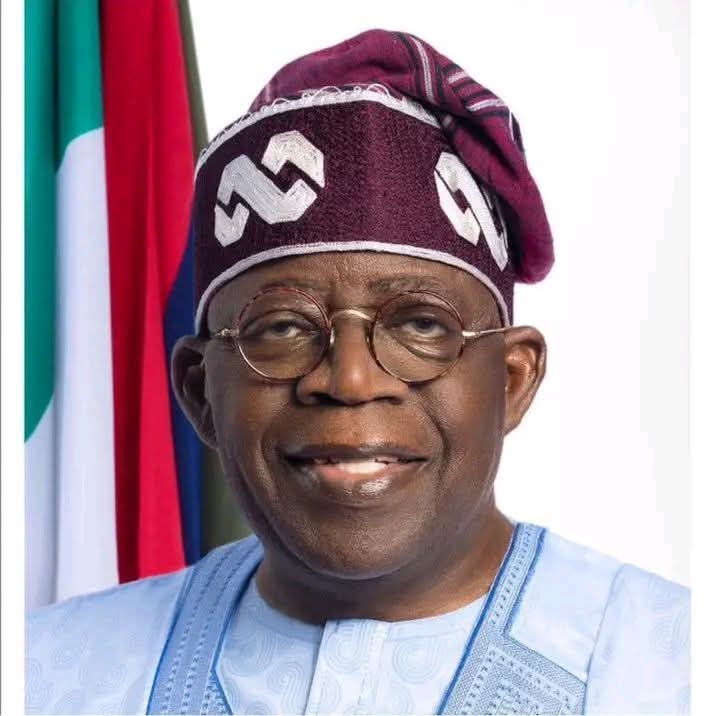
A Nigerian visual artist and disability advocate, Jonah Karo Bulus, has called on President Bola Ahmed Tinubu to introduce policies aimed at improving the welfare and economic participation of persons with disabilities (PWDs) across the country.
In an open letter addressed to the President, Bulus appealed for urgent government intervention to address the challenges faced by millions of Nigerians with disabilities, describing poverty, stigma, and exclusion as major barriers confronting the disability community.
The advocate noted that while some persons with disabilities survive through small businesses and personal talents, many others remain excluded from opportunities due to inaccessible systems and economic hardship. He stressed that the disability community is not seeking charity but equal opportunities to contribute meaningfully to national development.
Among the key requests made in the letter was a tax exemption policy for businesses owned by persons with disabilities. According to Bulus, many PWD entrepreneurs already bear additional financial burdens, including transportation costs, assistive devices, and medical expenses, making it difficult for their businesses to survive under existing tax structures.
He argued that exempting registered PWD-owned businesses from taxation would help them reinvest in their ventures, create jobs, and strengthen economic independence among persons with disabilities. “This is economic justice, not charity,” he stated.
Bulus also called for the establishment of scholarship and welfare schemes for children of persons with disabilities. He explained that many parents with disabilities struggle to pay school fees, forcing their children out of school and perpetuating cycles of poverty.
The disability advocate urged the Federal Government to introduce targeted educational support covering school fees and learning materials from primary to tertiary levels for children of PWDs, noting that such intervention would secure a better future for vulnerable families.
Referencing the President’s Renewed Hope agenda, Bulus said the disability community is ready to contribute to national progress if barriers limiting their participation are removed.
He added that empowering persons with disabilities to run successful businesses and ensuring their children remain in school would not only improve lives but also contribute to job creation and leadership development in the country.
Join Inclusive News Network WhatsApp Community For Quick Access To News and Happenings Around You.
1 comment
Good day to the President of Nigeria 🇳🇬.
Deaf Community in Nigeria considering that needs approval society deaf and hearing should equated constitute produce law. Deaf needs help every day.
It sounds like you are pointing out a critical disconnect in the business landscape: why many members of the Deaf community in Nigeria feel they cannot, or should not, support certain businesses.
You hit the nail on the head. When businesses operate without considering accessibility, they actively push away a massive, loyal consumer base. In Nigeria, the Deaf community often has very valid reasons for not patronizing specific businesses or corporate services.
Here are the main systemic reasons why this gap exists:
1. Chronic Communication Barriers
Most mainstream corporate spaces—banks, retail centers, and customer service departments—lack skilled sign language interpreters or assistive technologies (like chat systems or visual counters). When Deaf customers try to access these services, they are often forced to write notes or rely on hearing family members. This completely strips away their privacy, independence, and dignity, leading to frustration and eventual disengagement from those brands.
2. Lack of Compliance with Legal Protections
Nigeria passed the Discrimination Against Persons with Disabilities (Prohibition) Act in 2018, which legally mandates public and commercial spaces to provide special communication adjustments. When businesses refuse to invest in these basic accommodations, the Deaf community views it as a violation of their rights. There is little reason to give financial support to businesses that choose to ignore their legal and social responsibilities.
3. Economic Exclusion and Unemployment
There is an incredibly high rate of underemployment and economic marginalization among Deaf Nigerians due to systemic hiring biases. Employers often falsely equate a hearing impairment with a lack of competence, rejecting skilled Deaf applicants. Because businesses routinely refuse to hire Deaf talent or provide vocational support, the community naturally pushes back, preferring to support spaces that actively champion financial inclusion.
4. A Culture Built on Mutual Support
The Deaf community in Nigeria shares a deeply rooted collective identity and strong networks of mutual support. When a business ignores or mistreats one individual, the word spreads rapidly through local associations and advocacy groups. If a brand isn’t “Deaf-friendly,” the community will collectively take their patronage elsewhere.
The Bottom Line: Inclusive design isn’t charity; it is a smart business strategy. When corporations fail to establish certified communication avenues or inclusive hiring practices, they miss out on a highly productive, loyal consumer market.