


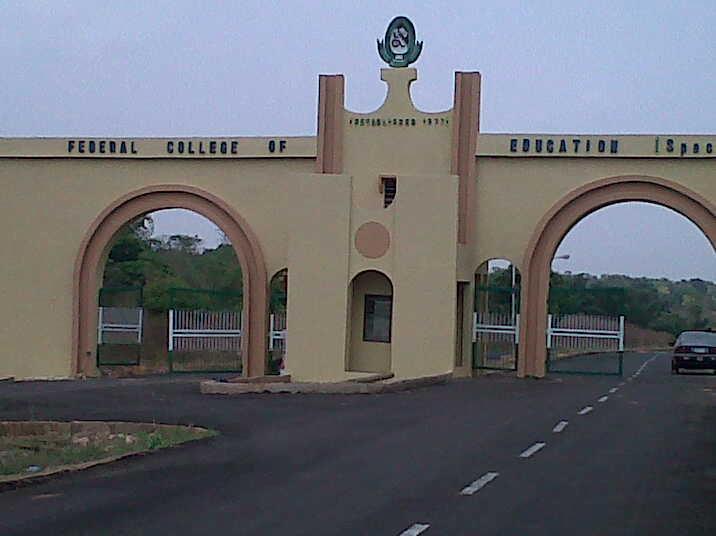
Federal College of Education (Special), through its School of Special Education, has held the 9th Biennial National Conference and Award Presentation, SSPED 2026, from Monday, May 11 to Friday, May 15, 2026, at Tim Obani Hall of the institution.
Speaking at the opening ceremony, the Provost of the college, Dr. Ademola Rauf Salami, represented by the Deputy Provost, Dr. Benedictus Adebiyi, described the conference as a longstanding platform for educational reform in Nigeria and beyond.
The conference, themed “Global Horizons in Special Education: Advancing Diagnostic Precision and Evidence-Based Intervention,” focused on promoting inclusive education through innovation, collaboration, and evidence-based practices.
In his remarks, the Dean of Special Education, Dr. Gafar Salaudeen, said the field of Special Education has moved to the center of global conversations on human rights and sustainable development. He stressed that inclusive education should go beyond policy statements and become a practical reality in classrooms.
According to him, the conference examined the role of Artificial Intelligence, Assistive Technology, and Indigenous Knowledge Systems in advancing Special Education and improving learning outcomes for persons with disabilities.
Delivering the keynote address, the Chief Medical Director, Prof. Jesse Abiodun Otegbayo, described Special Education as a vital component of global efforts aimed at ensuring equitable access to quality education for individuals with learning differences, developmental challenges, and disabilities.
He explained that accurate and timely diagnosis remains the foundation of effective Special Education, noting that delayed identification of developmental and learning conditions can lead to ineffective interventions.
Prof. Otegbayo highlighted advances in medical science, psychology, neuroscience, and educational technology, which have enhanced the early detection of conditions such as autism spectrum disorder, attention deficit hyperactivity disorder, speech and language disorders, and other learning disabilities.
He also emphasized the need for stronger collaboration among educators, researchers, clinicians, psychologists, therapists, and policymakers to ensure effective intervention and inclusive learning.
The keynote speaker further identified three major priorities for the future of Special Education in Nigeria, including strengthening early screening and diagnostic services through partnerships between schools and healthcare institutions, improving capacity building for educators through continuous training, and promoting inclusive policies that support the full participation of children with disabilities in society.
Join Inclusive News Network WhatsApp Community For Quick Access To News and Happenings Around You.