


IN THE SPRING OF 2018, my wife, Wuraola and I welcomed our first baby boy. For the whole night in the maternity home, through to the following day, our joy knew no bounds. We were jumping up, bursting with pride and with so much excitement. My wife was particularly joyous because she’s the mother who had borne the burden of carrying and protecting this cute thing for long nine months. She now felt free and more resilient.
But maybe, another rung of burden had just begun to creep in for this poor woman.
Those months of carrying the fetus were a trying season that was pretty uneasy for us in a whole lot of ways: physically, spiritually, psychologically, economically, and culturally. By cultural uneasiness, my wife was constantly worrying whether the disability of a father could be passed onto his son. “Look, my deafness is NOT a cultural identity. It isn’t genetic It’s not in our blood, common. There’s never been anyone in the history of my family, other than myself, who was deaf. It is just a disability that could happen to anybody.” In an academic, scholarly cadence, I would, on many occasions, whisper to my wife.” Her concerns were understandable.
Those were my entreaties. But they did so little to assuage this nondisabled woman’s already built-up multiple anxieties.
In the course of those nine months, the reality of the agonies of an expectant mother dawned on me and became as obvious and real as just about any profoundly powerful experience in my entire adult life. I had a lot of pity for my wife and hated to see her break.
But, as I said—maybe, worry 1.0.1 had just begun to emerge. Then I appeared to be entering into a whole new world. I realized as a soon-to-be-father, I had to have the courage to look into the future and ponder over some of the biopsychosocial challenges of being a new mother; albeit a mother who’s married to a man with a sensory impairment.
My research zeal into the world of psychological disorders might have just be born.
Depression among ordinary persons, as I had written extensively about, maybe a massive psychosocial issue, but even more disquieting is a depressive illness among ‘new mothers’ over the advent of a new baby. Apart from the attention the issue of postnatal depression among nursing mothers has been garnering across Europe and in the United States in recent times, there’s an interesting surge in the number of disabled and nondisabled families in Ibadan, Nigeria’s largest city and the capital, Oyo State, who have become “new moms”. My wife and I have had great pleasures sending our congratulatory messages to my fellow families with disabilities. During those times, I’ve had déjà vu and shrieked at a possible reality that my friends would probably begin a new pretty unusual phase in their lives.
This author cannot but feel very strongly about making this the subject of this article for individuals and the disabled.
What is post-partum depression?
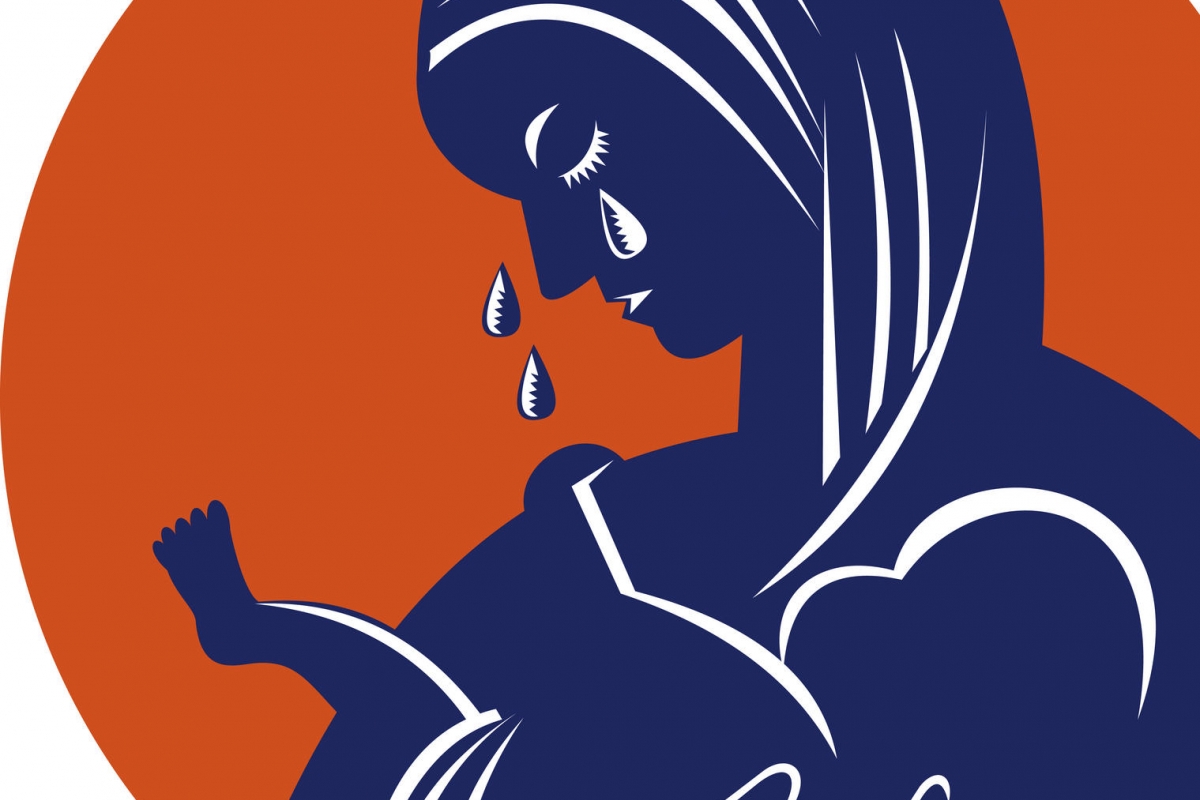
Postpartum depression is a disorder or “baby blues feelings” that are experienced by new mothers after obstetric delivery. These disorders may include some or all of the following: loss of sleep, loss of appetite, intense irritability, difficulty in bonding with the baby, including—in serious cases—the thought of killing or throwing a newborn away, despite having just sufficient funds and support to care for the baby.
Over the past several years, birthing-related experiences among disabled parents in Oyo State of Nigeria have caused a huge number of both parents to experience post-natal depression. Numerous studies have attributed this relatively regular depressive episode to the lack of information about reproductive and psychological health among local women. Among educated/well-informed disabled women—including those with advanced degrees with fairly high socioeconomic status, they are often prone to after-birth depression on account of a variety of known and unknown factors.
Called abisiwin (postnatal psychosis: a more complex mental case) in southwest Nigeria, post-natal depression is not exclusively a feminine mental illness. The American Psychiatric Association reported that among men–in particular–new fathers, the incidence of postpartum depression has been estimated to be between 1% and 25.5%.
During pregnancy, pregnant women are insanely excited about their baby bumps. They gush excitedly about having a baby. Expectant parents take a picture after picture of themselves doting on this unborn thing. And quite frequently, they go baby-shopping. But a couple of weeks after the baby is out, a mother begins to develop characteristics of undue anxiety- the apprehension about parenthood and caring for an infant, including issues with self-identity, and general nervousness.
Other symptoms seen in depressed nursing mothers include behavioural and cognitive irregularities. There’s a significant deficit in executive functions, energy, and appetite for food, sleep, and social engagements. There’s decreased motivation, poor self-care, and severe mood changes. With feelings of hopelessness, mothers with ‘baby blues’ may have trouble bonding with and taking care of the baby– as they begin to question their qualifications for motherhood and/or for deserving of a newborn. And cognitively, researchers argued we can see a sparing demonstration of poor decision-making, lack of focus and poor memory in mothers with postpartum depression.
While researchers have not provided–for certain– the definitive causes of postnatal depression, longitudinal studies by clinical psychologists and reproductive health experts into the frameworks and dynamics of this matter have demonstrated that biology (gene, and hormonal alliteration), environment, family level of emotional connectedness, and support system are likely causative factors. Yet, in this extraordinarily volatile time, we may not rule out the impacts of external conditions that are peculiar to nations, such as economic condition, political condition, climatic condition, legal/regulatory condition, as well as cultural factors (race, ethnicity, and identity).
In the concluding part of this article, we will look at these factors and their impacts, including the specific challenges that disabled parents are more intrinsically likely to face following the emergence of a newborn into the fold. Finally, we will identify specific intervention strategies for helping disabled and nondisabled nursing mothers to an emotionally-healthful, sunny life.
1 comment
[…] Read Also: Mothers with Disabilities and Newborns: The feelings of “Baby Blues” I […]