


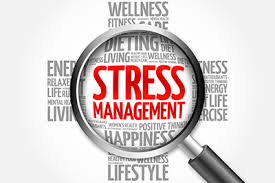
Last year certainly turned the world on its head! It was, by any measure—other than the 2001 Terrorist Attack in the United States– the most stressful, most trying, and most excruciating year in this century! There was not a single nation, including organizations and individuals who were exempt from the impact of 2020’s greatest highlight: The Coronavirus Pandemic.
Lives were lost, including jobs and investments. People were profoundly distressed.
The social unrest and demonstrations, such as the ENDSARS movement and anti-police remonstrations did not particularly help matters.
Yet, persons with disabilities remain one of the most vulnerable groups in times of such insecurity, violence, and distress.
It is a New Year, and things may not fare any better. As we go through this year, we’ll face some mountains and go through some valleys. Mental ill-health will be on the rise. A vast amount of people will experience various personal ordeals and tremendous distress.
An individual can begin to take responsibility for their own emotional health and safety.
What is stress?
Stress is strain felt by an individual, which may include mental, emotional, or physical strain caused, e.g. by anxiety or overwork, or the enormity of schoolwork and assignments. Stress, if not well-managed, can cause such symptoms as raised blood pressure or depression, which is a very serious mental illness.
While stress, both good and bad, is a part of life, it is essential to manage stress–to bring it under control and take advantage of the benefits it provides. The process of stress management is one of the keys to a happy and successful life in modern society. With economic and social and uncertainties lurking somewhere in the New Year, and numerous demands on our limited time and resources, difficulties can prove too overwhelming to handle. Stress management provides several ways to manage anxiety and maintain overall well-being.
Planning—Short-term and long-term planning. This is deliberate, conscious planning has been an effective way for how to manage stress in a chaotic life. Long-term planning can help ensure you are on the right track towards accomplishing your goals. This is an effective strategy. It is important to consider the busiest periods when you are planning your schedule. Given the potentials for disruptions with accomplishing short-term goals, experts advise looking at the time period long before it arrives, that way you may prepare in advance. Looking at the timetable in this way can help you set goals for the long-term.
Also, writing down short-term goals for what one wishes to do and where one wishes to be can help with managing my time, and ultimately stress effectively. However, goals must be SMART. They must be specific, measurable, attainable, relevant, and time-bound—SMART.
The second strategy is having organizational skills. A desk or to-do-list that is free from clutter at all times can help with making the most of our limited time. Note-taking speaking with project members and setting the next plan of action based on a conversation are some of the organizational implements that may prove effective in managing one’s time and achieving one’s goals.
Organizational skills can prevent us from becoming overwhelmed and stressed when managing several priorities. It is not smart to fall further behind, thus resulting in an even greater stress accumulation.
Lastly, there are various coping mechanisms, including resilience, optimism that effectively reduce the negative impacts of stress. Time management skills, avoiding procrastination, and goal-setting for stress reduction are essential. These strategies allow for better prioritization of new responsibilities, leaving them more time for rest and leisure activities, which have been shown to reduce stress.