


By Bizibrains Okpeh
The notion that disability is next to uncleanliness is a pure fallacy. This is what society wants persons with disabilities (PWDs) to believe. It is needless to say that one of the numerous effects of disability-based violence or discrimination is that it perpetuates low self-esteem or self-confidence, further enabling the disablement of PWDs who see themselves as not good enough for/in any endeavour, including looking good, dressing neat and smart, and putting up appearances.
Looking good and dressing neat and smart is a confidence booster. But PWDs are constantly under attack from society so that they live in constant fear and denial of their self-beauty, to the extent that they are conditioned to think that looking good or dressing smart would rather attract unwanted attention towards them, further exposing them to discriminatory, verbal, and psychological violence. Indeed, this is true in most instances.
Still, to overcome the challenges of ableism, dressing neat and smart is something PWDs must be proud of, to boost their self-esteem and self-confidence enough to help them put up appearances and be out there to live life in its fullness and take opportunities available to them.
By the circumstances of birth or inevitabilities or happenstances of life, some PWDs find themselves in conditions that they necessarily need the assistance of others. These lot may not even be in a position to know how to dress, much more dressing neatly and smartly. They are at the mercy of their families and caregivers.
In this circumstance, therefore, some families or caregivers may not see any need to ensure that PWDs under their care always dress neatly and smartly. They too may be under the impression that this is not necessary. After all, to some, disability is uncleanliness. So that one can always find some PWDs looking tattered and unkempt even while under the care of caregivers or families. In this way, families and caregivers unwittingly contribute to the low self-esteem or self-confidence of PWDs.
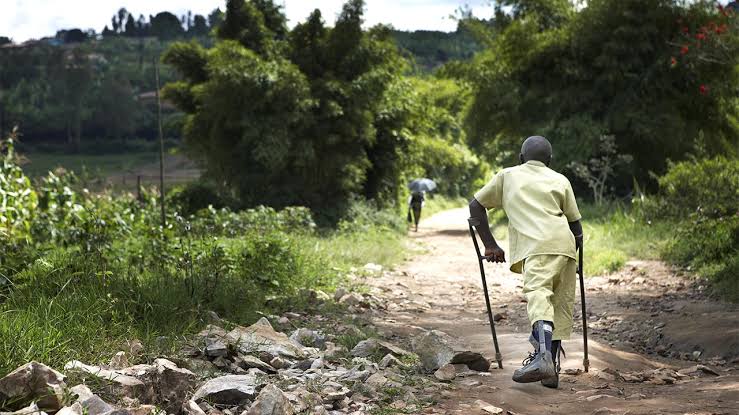
Families and caregivers should begin to pay more attention to the appearance of PWDs under their care and protection. And deliberate, intentional, and conscious efforts should be made towards ensuring that PWDs are always neat at all times. The personal hygiene of PWDs should be taken seriously.
Read Also: Monarch facilitates donation of tricycles for People with Disability in Ogun
PWDs who can take care of themselves to a considerate extent should also know that looking good, neat, and smart is one of the ways of overcoming the burden of disability-based discrimination. They must attach adequate attention to their hygiene and appearance.
Society must know that there is nothing so unique or special about PWDs looking good, neat, and smart. Why shouldn’t they? I mean, they should just like every other person. The fact that a PWD is looking good, neat, and smart is not or shouldn’t be an inducement for unnecessary attention, exaggerated or excessive flattery, and pitiable admiration. This is unwholesome. It doesn’t achieve anything if the noble intention were to compliment the PWD.
In conclusion, disability is not next to uncleanliness. PWDs must understand that this is a configuration maintained by society to continue to subject them to enduring psychological discrimination or violence. Having a disability is not dirtiness or uncleanliness. PWDs must reject the world’s ableism. Always look good, neat, and smart. And that would be a big step towards positive self-awareness, self-appreciation, self-respect, self-projection, and self-preservation.
Bizibrains Okpeh is a lawyer and a disability rights advocate, researcher, and analyst. Reach him at bizibrains@gmail.com. This piece is sponsored by the Inclusive Friends Association (IFA) with support from the Ford Foundation.