


The Coalition of Organisations of Persons with Disabilities on Climate Change (COPD-CC) has called on world leaders, governments and international climate institutions to prioritise disability inclusion in global climate policies, financing and decision-making at the ongoing 31st United Nations Climate Change Conference (COP31) in Antalya, Türkiye.
The coalition made the call in a press statement issued on Thursday, November 12, 2026, in Abuja, Nigeria, urging climate negotiators and development partners to ensure that persons with disabilities are meaningfully represented in climate governance and have equitable access to climate adaptation and resilience programmes.
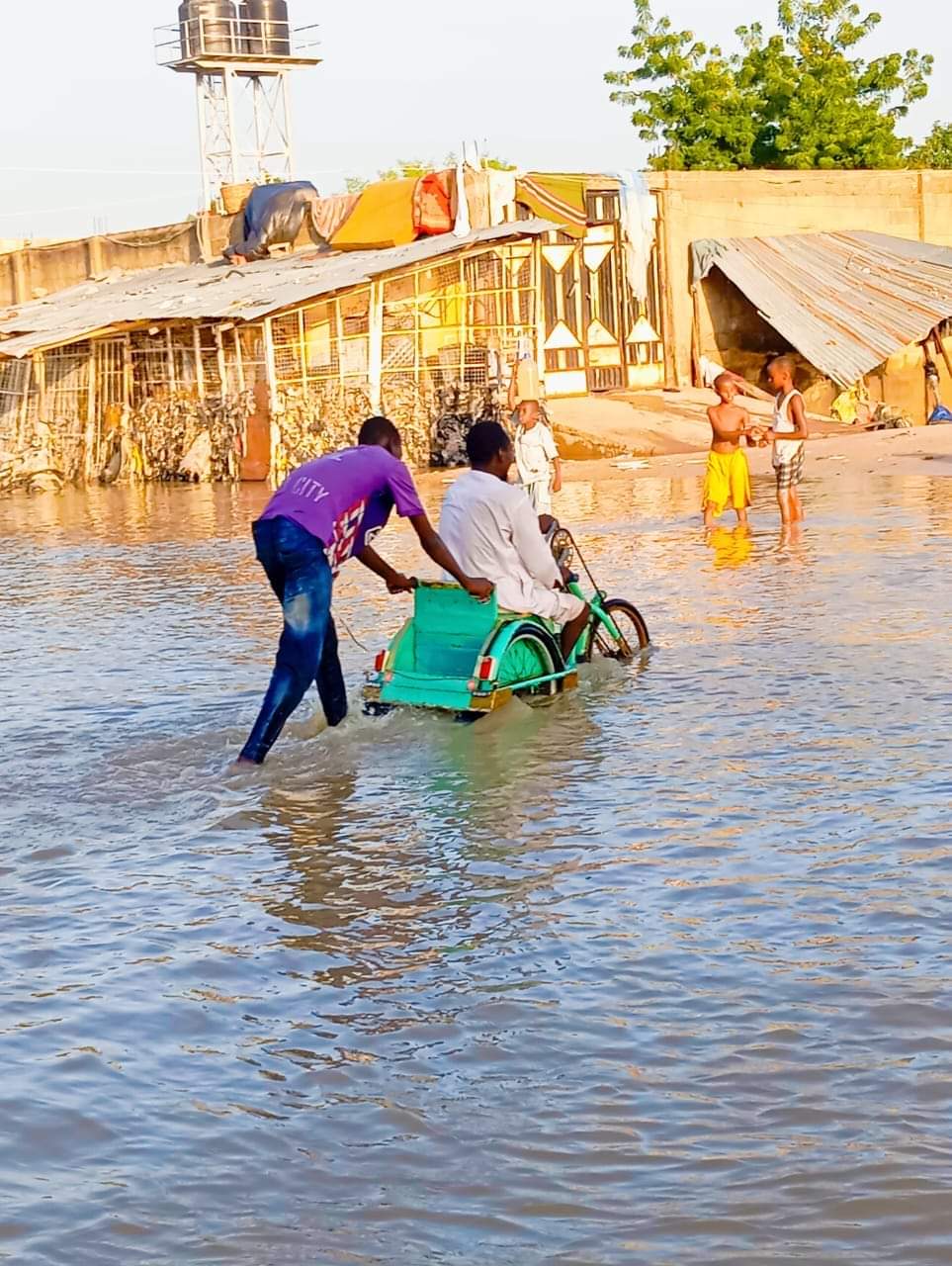
According to the coalition, persons with disabilities face disproportionate risks from climate-related challenges, including flooding, drought, extreme weather events, food insecurity and environmental degradation. It noted that these risks are often worsened by inaccessible climate information, inadequate emergency preparedness, exclusion from decision-making and limited access to climate financing.
The coalition also highlighted the heightened vulnerabilities of women and girls with disabilities, who face intersecting forms of discrimination, increased exposure to gender-based violence and additional barriers to livelihoods, protection and participation in climate-related interventions.
Emphasising that persons with disabilities should not be regarded merely as beneficiaries of climate interventions, COPD-CC described them as rights-holders, innovators and community leaders whose contributions are essential to developing sustainable climate solutions.
Among its major demands, the coalition called for the formal recognition and approval of a Disability Constituency within the United Nations Framework Convention on Climate Change (UNFCCC), arguing that the current recognition of the Disability Caucus as an informal NGO group does not provide adequate institutional recognition and participation opportunities.
It explained that an officially recognised Disability Constituency would create a structured platform for organisations of persons with disabilities (OPDs) to coordinate their engagement, contribute to climate negotiations, make interventions and participate meaningfully in global climate decisions.
The coalition further urged governments to establish mechanisms that guarantee the participation of OPDs in developing, implementing and monitoring Nationally Determined Contributions (NDCs), National Adaptation Plans (NAPs), climate policies and disaster-risk-reduction frameworks.
On climate financing, COPD-CC called on governments, bilateral donors and international climate-finance institutions to introduce accessible funding mechanisms, dedicate resources to disability-inclusive climate programmes and support adaptation initiatives led by organisations of persons with disabilities.
It stressed that climate investments must include measurable disability-inclusion outcomes, transparent accountability mechanisms and simplified funding procedures to enable grassroots disability organisations to access available resources.
The coalition also demanded accessible early-warning systems and disaster preparedness mechanisms, insisting that weather forecasts, emergency alerts and evacuation instructions should be provided in multiple accessible formats, including sign language, audio announcements, captions, Braille, large print, easy-to-read materials and screen-reader-compatible digital platforms.
It added that emergency shelters, evacuation routes, sanitation facilities and humanitarian response services must be accessible to persons with different disabilities, while OPDs should participate in community risk assessments, preparedness exercises and post-disaster evaluations.
Addressing gender inclusion and economic empowerment, the coalition called for deliberate measures to protect women and girls with disabilities from gender-based violence, displacement-related risks and economic insecurity.
It also urged governments and development partners to expand access to green jobs, renewable energy, climate-smart agriculture, entrepreneurship, vocational training and accessible financial services for persons with disabilities.
On research and innovation, COPD-CC advocated stronger collection and utilisation of disability-disaggregated data in climate vulnerability assessments, adaptation planning, disaster preparedness and climate-finance monitoring. It also called for participatory research and accessible technologies to document the experiences and contributions of persons with disabilities.
The coalition maintained that disability inclusion must move beyond policy declarations through measurable indicators, dedicated budgets, implementation timelines and effective reporting mechanisms across climate programmes and financing arrangements.
Specifically addressing the Nigerian Government, COPD-CC called for the integration of disability inclusion into national climate commitments, adaptation plans and policies, as well as meaningful representation of OPDs in Nigeria’s climate delegations and international engagements.
It also urged the Federal Government to strengthen accessible climate information and early-warning systems, allocate dedicated resources for disability-inclusive climate adaptation and improve collaboration among OPDs, the National Council on Climate Change, the National Emergency Management Agency (NEMA), the Nigerian Meteorological Agency (NiMet) and relevant state institutions.
The coalition further called for expanded opportunities for persons with disabilities in green employment, renewable energy, climate-smart agriculture and other climate-resilient livelihood programmes.
In its appeal to international climate-finance institutions, including the Green Climate Fund, Adaptation Fund and Fund for Responding to Loss and Damage, the coalition urged them to make disability inclusion an operational requirement in climate investments.
It called for direct funding opportunities for OPD-led initiatives, accessible grant procedures, technical assistance for disability-led organisations and support for gender-responsive, community-based climate adaptation and resilience programmes.
Reaffirming its commitment to strengthening the voice, capacity, leadership and participation of organisations of persons with disabilities in Nigeria’s climate governance processes, the coalition expressed readiness to collaborate with governments, civil society organisations, research institutions and development partners.
COPD-CC urged global leaders attending COP31 to move beyond general commitments and translate disability inclusion into institutional recognition, meaningful representation, accessible financing, concrete investments and measurable accountability.
The statement was signed by the Coalition of Organisations of Persons with Disabilities on Climate Change, represented by Dr. Kola Jayeoba.
The coalition comprises the Advocacy for Women with Disabilities Initiative (AWWDI), Centre for Citizens with Disabilities (CCD), Inclusive Friends Association (IFA), Disability Projects Initiative (DPI Nigeria), Disability Not a Barrier Initiative (DINABI), Hope Alive for Possibilities Initiative (HAPI), Sauri Growth Initiative for Women and Youth with Disabilities, and Sound Abilities for Vulnerable Women Initiative Nigeria (SAVWIN).
Join Inclusive News Network WhatsApp Community For Quick Access To News and Happenings Around You.