


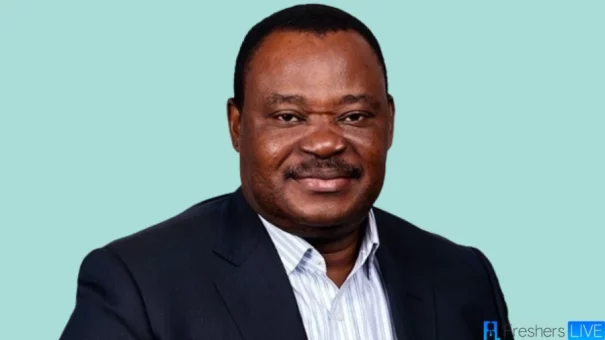
Nigeria’s Permanent Representative to the United Nations, Ambassador Jimoh Ibrahim, has called on the United Nations to demonstrate stronger leadership in advancing disability inclusion by promoting greater transparency and accountability regarding the representation of persons with disabilities within its institutions.
Ibrahim made the call while addressing delegates at the 19th Session of the Conference of States Parties (COSP19) to the Convention on the Rights of Persons with Disabilities (CRPD), held at the United Nations Headquarters in New York. The conference, themed “Celebrating and Consolidating Achievements and Shaping the Next Phase of Implementation in a Changing World,” brought together member states to assess progress and chart the future of disability inclusion globally.
Speaking during the session, the Nigerian envoy expressed concern over what he described as the persistent marginalisation of persons with disabilities despite decades of international commitments aimed at fostering inclusion and equal participation. He noted that of the world’s estimated population of eight billion people, approximately 1.3 billion are persons with disabilities, representing nearly 20 per cent of humanity.
According to Ibrahim, the level of attention and resources devoted to disability issues remains disproportionately low compared to the size of the population affected. He argued that persons with disabilities receive less than 0.1 per cent of global GDP-related attention and allocation, describing the disparity as unjust and unacceptable.
The ambassador observed that although the United Nations began multilateral efforts to promote disability inclusion more than two decades ago, significant gaps remain in addressing the everyday realities and challenges faced by persons with disabilities around the world.
He further stated that Nigeria is increasingly concerned about the treatment and representation of persons with disabilities within the UN system, noting that perceptions of inequality and exclusion continue to grow globally.
To strengthen accountability, Ibrahim urged the United Nations to publicly disclose comprehensive data on the percentage of persons with disabilities employed across its agencies and institutions. He argued that such transparency would demonstrate the organisation’s commitment to inclusion while providing a benchmark for measuring progress.
Reaffirming Nigeria’s commitment to disability rights, the envoy stressed that “in every disability, there is ability,” and called for renewed efforts to mainstream disability inclusion in policy development and governance structures.
He also encouraged member states to embed disability inclusion within national development frameworks and back such commitments with robust legal and institutional mechanisms.
The Nigerian delegation maintained that meaningful progress on disability rights can only be achieved through genuine representation, accountability, and sustained commitment, urging the international community to keep disability inclusion at the centre of global development and human rights agendas.
Join Inclusive News Network WhatsApp Community For Quick Access To News and Happenings Around You.