


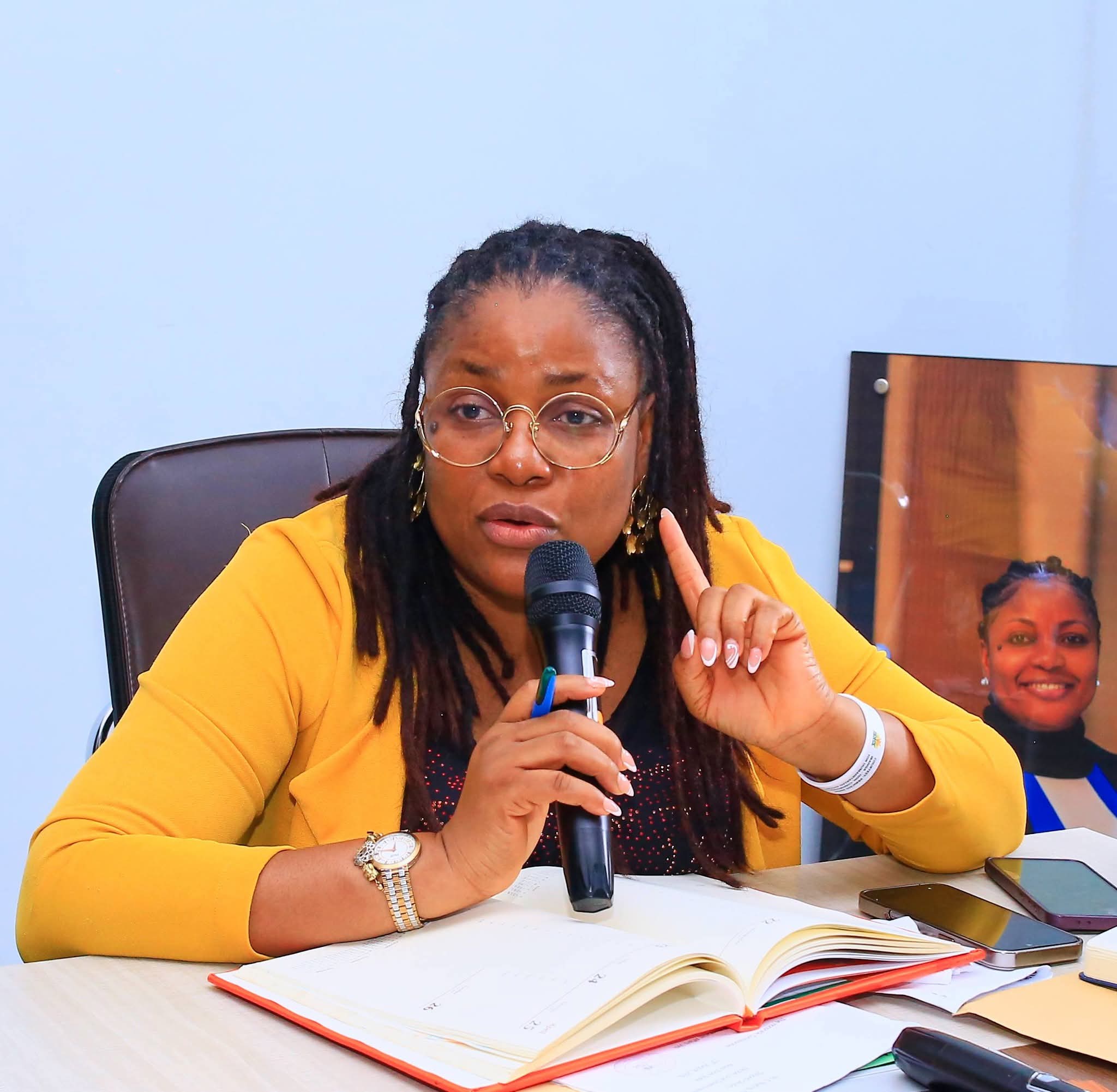
The Akwa Ibom State Commissioner for Humanitarian Affairs, Princess Emem Ibanga, has commended Helen Keller International (HKI) for its sustained interventions in health, nutrition and livelihood support for vulnerable persons and households across the state.
Ibanga gave the commendation on Wednesday, September 2, 2026, when she received a delegation from HKI, led by its Country Director, Mr. Aliyu Mohammed, at the Ministry’s Conference Room.
The Commissioner said government alone could not address the numerous humanitarian challenges confronting vulnerable communities, stressing that strategic partnerships with development organisations were essential to achieving sustainable impact.
She also commended Governor Umo Eno for establishing the Ministry of Humanitarian Affairs and creating an enabling environment for partnerships, assuring HKI of the Ministry’s continued support.
“The government alone cannot do it, but when you approach a government that is very receptive, collaboration and partnerships will yield good results and impact,” Ibanga said.
Ibanga, who described humanitarian service as a responsibility that requires direct engagement with communities, said her outreach activities had exposed her to the difficulties faced by vulnerable families, particularly those struggling to meet basic needs.
She identified health and nutrition as major drivers of household productivity and wellbeing, noting that interventions such as deworming, nutrition support and improved access to healthcare could significantly transform the lives of vulnerable families.
The Commissioner appreciated HKI for implementing interventions across all 31 Local Government Areas of Akwa Ibom and called for stronger collaboration to expand successful programmes and reach more beneficiaries.
She said where development partners could address only part of a challenge, government would provide the necessary support to scale up interventions and achieve wider coverage.
Ibanga further reaffirmed the state government’s commitment to ensuring that humanitarian support is provided based on need rather than personal connections. She cited the Ministry’s recent interventions for persons with disabilities, including the distribution of wheelchairs to vulnerable individuals, as examples of initiatives aimed at restoring dignity and improving lives.
Earlier, the HKI Country Director, Mr. Aliyu Mohammed, said the organisation was in the state to strengthen its partnership with the Ministry and identify additional areas of collaboration.
Mohammed said HKI implements integrated health, nutrition and livelihood programmes in partnership with relevant government agencies, targeting vulnerable households across selected Local Government Areas.
He disclosed that HKI provides financial and technical support to government-managed health facilities, strengthens referral systems and improves access to treatment for children affected by malnutrition.
According to him, the organisation has also supported more than 800 women with livelihood opportunities designed to improve household income, food security and families’ ability to meet their nutritional needs.
The HKI Country Director identified relapse among children who have undergone treatment for malnutrition as a major concern, explaining that some families struggle to provide adequate food after treatment.
He therefore called for stronger integration of humanitarian and livelihood interventions to address the underlying causes of malnutrition and reduce the risk of relapse.
Mohammed also highlighted HKI’s partnership with The Church of Jesus Christ of Latter-day Saints in supporting the distribution of multiple micronutrient supplements to pregnant women in targeted communities.
He explained that the supplements contain 15 essential micronutrients in a single daily tablet, making supplementation easier and potentially improving adherence among beneficiaries.
The Country Director further disclosed that HKI, in collaboration with the Akwa Ibom State Government, had implemented interventions addressing health conditions affecting men, including scrotal enlargement.
He said more than 1,700 cases had been identified, while about 1,260 surgeries had been conducted by trained state surgeons.
According to Mohammed, the intervention had enabled beneficiaries to regain mobility, dignity and their means of livelihood, while further collaboration with the Ministry could provide post-treatment livelihood support for individuals who lost their economic means due to the conditions.
Join Inclusive News Network WhatsApp Community For Quick Access To News and Happenings Around You.