


By Chidimma Ajemba.
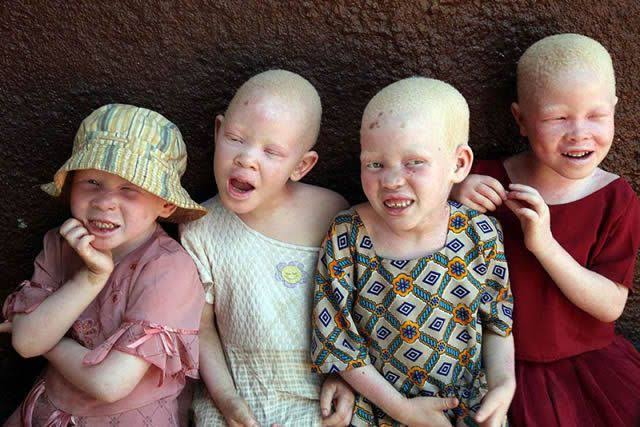
Today is International Albinism Awareness Day. Its celebrated annually on June 13 to celebrate the human rights of persons with albinism worldwide.
Albinism is a rare, non-contagious, genetically inherited difference present at birth. In almost all types of albinism, both parents must carry the gene for it to be passed on, even if they do not have albinism themselves.
The condition is found in both sexes regardless of ethnicity and in all countries of the world. Albinism results in a lack of pigmentation (melanin) in the hair, skin and eyes, causing vulnerability to the sun and bright light. As a result, almost all people with albinism are visually impaired and are prone to developing skin cancer. There is no cure for the absence of melanin that is central to albinism.
The theme for this year’s International Albinism Awareness Day is “Strength Beyond All Odds”.
The theme was chosen to: Highlight the achievements of people with albinism around the world, Show that people with albinism can defy all odds, Celebrate how people with albinism worldwide meet and exceed expectations in all domains of life Encourage everyone during this time of a global pandemic to join the global effort to “Build Back Better”.
Read Also: Hidden in Plain Sight: Persons With Albinism Fighting the Odds Every Day, By Hlengiwe Mkhize
Challenges of people living with albinism include:
1. Persons with albinism are highly vulnerable to developing skin cancer due to lack of melanin. Statistics shows that a majority of persons with albinism die from skin cancer between 30 and 40 years of age.
2 Persons with albinism often have visual impairment.
3. They are often stigmatized because of their skin color and as such face social exclusion.
4 Their unemployment rate is alarming because they are often subject to multiple and intersecting discrimination on the grounds of both disability and colour.
The United Nations Human Rights Council adopted a resolution in 2013 calling for the prevention of attacks and discrimination against persons with albinism.
The prevalence of albinism in Nigeria is ranked among the highest in the world with an estimated figure of two million albinos in the country.
Recently in Anambra State, persons with albinism came together to form Anambra State Albinism Association (ASAA) with a view to fight for their rights and has Miss Vivian Ezeonwumelu as their chairperson and now a recognized cluster with Joint National Association of Persons With Disabilities (JONAPWD) Anambra State Chapter.
The Anambra State Government through the Special Adviser to the Governor on Disability Matters, Barrister Chuks Ezewuzie has described the new Anambra State Albinism Association (ASAA) as a huge step in the right direction and also hinted that his office will assist through an intervention package known as (SSS) which means: Sensitization of the General Public , Skin Care Services and Sight Saving Programs. These packages will aim at: Sensitization of public on discrimination and stigmatization of persons with Albinism,providing access to regular health checks, provision of sunscreens, sunglasses and sun-protective clothing for the Albinism Community in the state.
Sadly people with albinism still face multiple forms of discrimination worldwide. Albinism is still profoundly misunderstood, socially and medically. The physical appearance of persons with albinism is often the object of erroneous beliefs and myths influenced by superstition. The general public is hereby called upon to end all forms of discrimination and stigmatization metted on persons with albinism. They are humans and should be treated alike.