


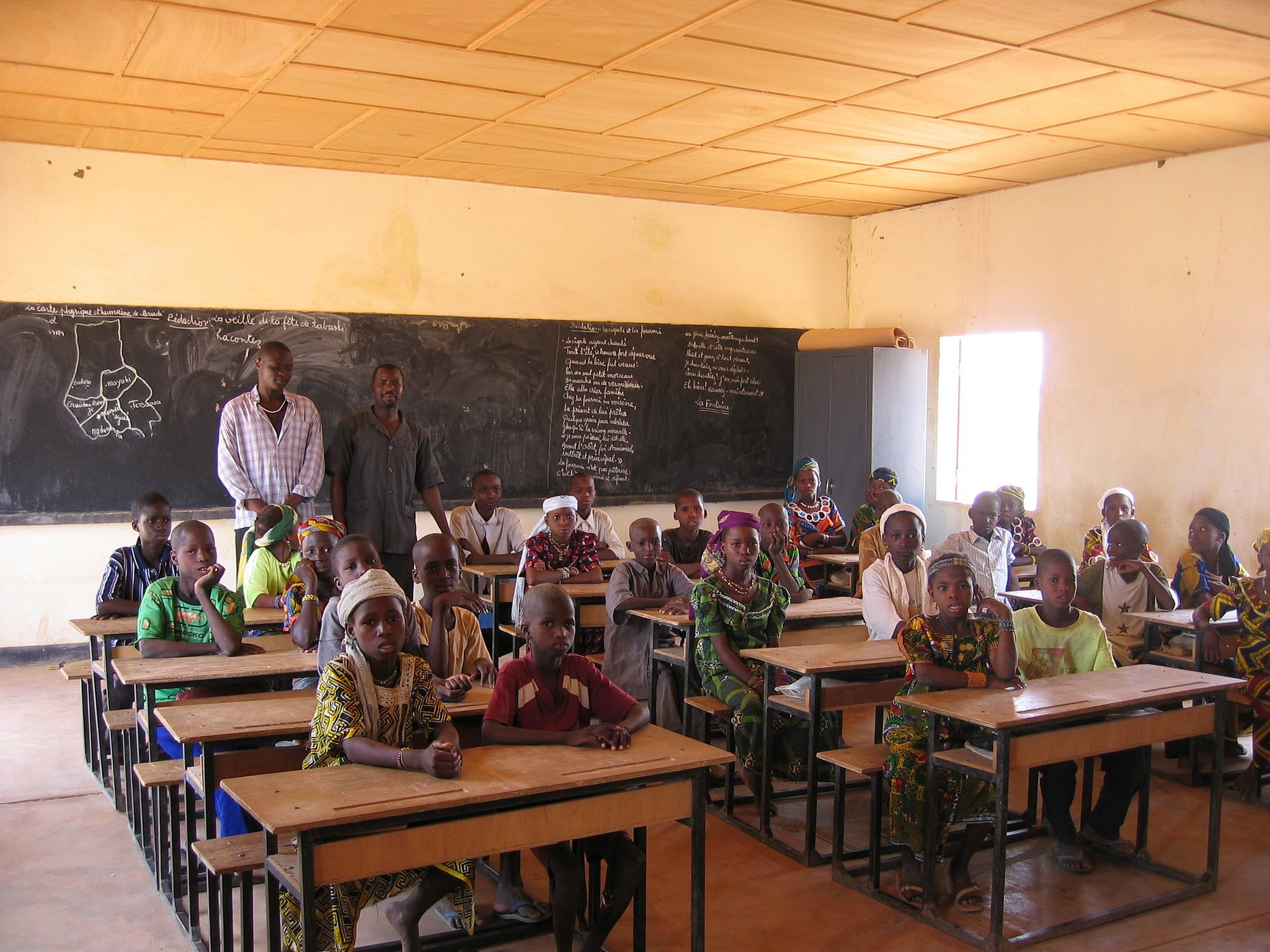
Make no mistakes about it, the most important word and culture in the 21st century is inclusion, but also practices including diversity, collaboration and tolerance. The world today has been proven to be remarkably better off with a system that includes everything and everyone and every culture- without constraints and without conditions- a whole bunch of attitudes and behaviors that are combined together for achievement of optimum result.
For people with disabilities, we have made a case for why inclusive schools, as opposed to special schools, are the more effective places for the education of the disabled- a school where the non-disabled educate the disabled and the disabled educate the non-disabled. And everyone, regardless of disabilities is banded together and is gotten a great education.
But apart from the fact that new idea often comes with reluctance on the part of people to try it out, because it is not yet popular, we also understand the attitude of non-disabled toward the disabled, particularly when they are put together. It is for this reality that there is a term known as “deaf culture”, – a movement that essentially says, “The hearing world despises us; we despise it too.”
This is not smart. In this article, we provide six reasons parents should not be ashamed to send their disabled children to inclusive schools.
1. Social skills: social researchers have found that people with disabilities, including the hearing impaired, the visually impaired, as well as ones with intellectual disability and autism spectrum disorder often exhibit social awkwardness especially in the company of their hearing peer or counterpart. Characters and cultural behaviors that are not identified with the regular world may be displayed by these categories of special needs.
However, inclusive schools have been proven to help learners with disabilities adjust to their environment. That’s because attitude is contagious.
2. Academic performance: inclusive schools help to improve the academic performance of learners with disabilities via the support and assistance from their non-disabled peers and colleagues. Moreover, a modified curriculum and other structural adjustment are additional supports for the learners with disabilities.
3. Understand the world: an inclusive school- one with disabled and non-disabled persons under a modified and accommodating academic environment has been proven to help the disabled lean better about their environment, as well as how the world works.
4. Enhance Self- discovery: parent, your child cannot be in a wholly special school and discover him or herself speedily and amply. Isolation does not help anybody or organization. It is important, as an individual, to understand your strength and weaknesses which can only be best possible in an environment that incudes everyone and everything that we can work and interact with.
5. Build Resiliency: life is hard- tough for everyone including people with disabilities. But your child’s ability to stay strong, and focus in the midst of problems and challenges will largely depend on his or her relationship- with the non-disabled and non-disabled world. Relationship and diversity help bring out the best in everyone of us regardless of disabilities
6. Build confidence: self–confidence is an essential requirement for success- at school or workplace. However, building self-confidence in a disabled learner requires them to be with the right people and at the right place, a nourishing academic environment that fosters psychological and emotional wellness, diversity and challenges.
Inclusive schools have everything that’s needed to accommodate a disabled child. Not only that a parent would not spend much, but that inclusive schools bring your child to a point where he or she begins to see the world better, understands his or herself better, adjusts to his or her environment more appropriately, build his or her self-confidence, self-esteem.
Moreover, special schools help your disabled child to be happier because he or she has more people to relate with and he or she is more resilient and ultimately, we see a remarkable improvement in his or her academic performance.
Hence, we encourage parents and guardians not to be ashamed of or unwilling to enroll their children and wards to inclusive schools.
You can share your experience or others’ with us about enrollment in inclusive school of learners with disabilities.