


Abuja, Nigeria — The National Leader of Persons With Disabilities (PWDs) in the All Progressives Congress (APC), Aare (Hon.) Tolu Bankole, has called on political leaders across Nigeria to move beyond symbolic gestures and adopt deliberate measures that guarantee full political inclusion of Persons With Disabilities in governance.
Bankole acknowledged recent efforts by the APC and government institutions to promote inclusion, including policy reforms and initiatives aimed at improving access to opportunities for persons with disabilities. He noted that the decision to grant a 50 percent reduction in nomination fees for PWD aspirants reflects a growing commitment to reducing barriers to political participation, while several state governments have introduced social protection programmes, skills development initiatives, and advisory roles designed to integrate persons with disabilities into governance processes.
Despite these efforts, the APC chieftain stressed that such measures must not be mistaken for complete inclusion. He argued that reducing nomination fees alone does not guarantee meaningful participation in governance.
“Reducing nomination fees is important, but inclusion cannot stop at access to forms. It must extend to access to power, representation, and decision-making,” Bankole stated, urging party leaders and stakeholders across the federation to embrace structural reforms that ensure genuine representation of persons with disabilities.
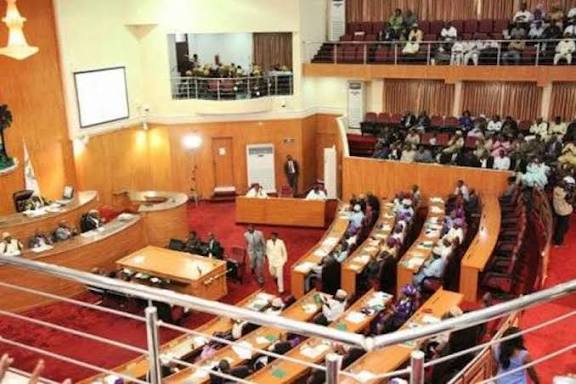
He specifically called for the allocation of legislative seats to qualified members of the disability community within political parties, noting that many capable and experienced politicians with disabilities are ready to serve at both state and federal levels.
According to him, intentional political inclusion should also extend to executive appointments, emphasising that governance structures must reflect the diversity of society.
Bankole further cited global examples of inclusive governance, noting that several countries have adopted measures to strengthen political representation for persons with disabilities. He referenced nations in Europe, Asia, and Africa where legal frameworks and policy reforms have helped increase the participation of persons with disabilities in governance.
He, however, expressed concern that representation of persons with disabilities in Nigeria remains extremely low, describing the situation as a reflection of systemic exclusion rather than a lack of competence among qualified individuals within the community.
“In Nigeria, despite our population size and democratic maturity, representation of persons with disabilities in governance remains negligible, far below one percent. This gap is not due to a lack of capacity, but a lack of deliberate inclusion,” he said.
Bankole warned that continued delays in implementing inclusive reforms could further marginalise millions of Nigerians with disabilities, stressing that the time for decisive and measurable action is now.
He reaffirmed his commitment to advocating for the political advancement of persons with disabilities within the APC and across Nigeria, expressing optimism that the party can set a national standard for inclusive governance if deliberate steps are taken.
Join Inclusive News Network WhatsApp Community For Quick Access To News and Happenings Around You.