


By Ishaq Dan-Imam, Lokoja
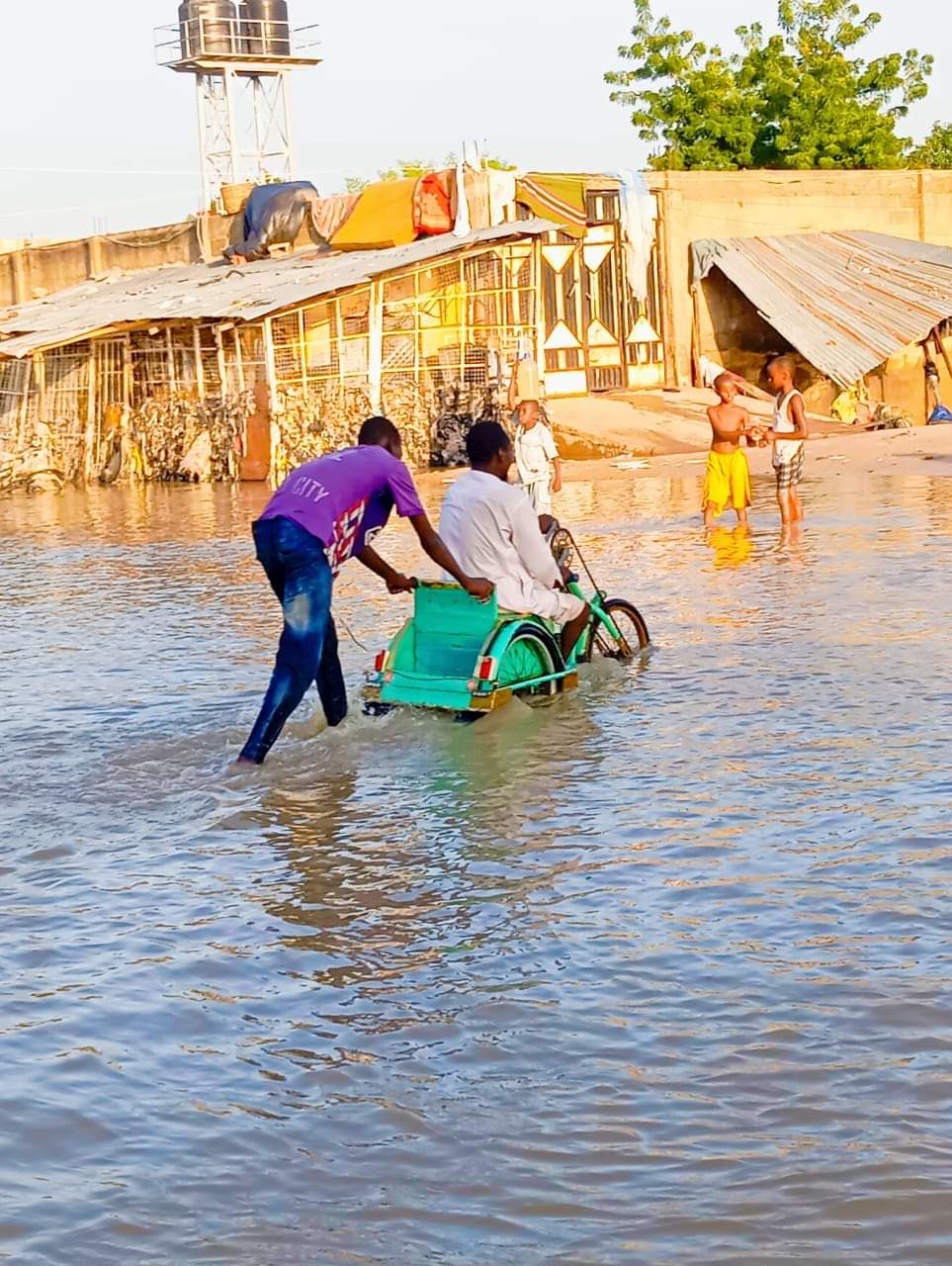
The Christian Blind Mission (CBM Nigeria) and the Sustainable Family Healthcare Foundation (SFHF) have intensified efforts to strengthen disaster preparedness and response in Kogi State, urging stakeholders to adopt disability-inclusive strategies amid growing concerns over potential flooding in the north-central state.
The call was made during a three-day intensive training on Disability-Inclusive Disaster Risk Reduction (DiDRR), which ended on Friday. The workshop brought together disaster management officials, volunteers and organisations implementing disaster risk reduction programmes to assess existing preparedness plans, identify operational gaps and improve coordination among emergency response stakeholders.
Speaking at the training, the Programme Manager of CBM Nigeria, Mr. Michael Ida, stressed the need for disaster management authorities to prioritise the protection and support of communities affected by flooding through adequate funding, stronger political commitment, effective technical support and increased community participation.
Ida said emergency preparedness required deliberate planning, sufficient budgetary allocations, resource mobilisation and sustained engagement with communities to ensure that disaster survivors received timely and appropriate assistance. He maintained that funding shortages, resource constraints and coordination gaps should not serve as excuses for ineffective disaster management.
According to him, disaster risk reduction is a humanitarian responsibility that demands integrity, accountability, diligence and a commitment to protecting lives. He added that CBM Nigeria and other international organisations would be willing to invest more in disaster risk reduction initiatives in Kogi State if the government and relevant authorities demonstrated stronger commitment through improved coordination, appropriate resource allocation and proactive administrative measures.
Ida also urged emergency responders to develop strategic action plans ahead of disasters, particularly flooding, while strengthening professional rescue operations, community needs assessments and psychosocial support for affected persons. He called on participants to improve collaboration and operational efficiency in their respective communities to minimise the impact of emergencies.
Participants at the workshop highlighted the importance of functional early warning systems, public awareness campaigns and effective coordination among agencies responsible for disaster preparedness and response. Practical exercises, simulations and group discussions also examined disaster management challenges, operational strategies, community resilience and innovative rescue techniques.
The training comes as SFHF advances its Disability-Inclusive Disaster Risk Reduction project in Kogi State, launched earlier this year to help vulnerable communities, including persons with disabilities, prepare for disasters and improve their resilience.
The Kogi State Chairman of the Joint National Association of Persons with Disabilities (JONAPWD), Mr. Ibrahim Daniel Arome, said persons with disabilities continued to encounter significant barriers during emergencies, including inaccessible evacuation routes, the loss or unavailability of assistive devices, and the absence of accessible early warning messages in sign language and audio formats.
Arome’s concerns underscored the need for disaster management agencies to ensure that emergency information, evacuation arrangements and relief services were accessible to persons with different disabilities, particularly those who might otherwise be excluded from critical warnings and rescue operations.
Representatives of the Nigerian Red Cross Society, Kogi State Emergency Management Agency (SEMA), the Ministry of Humanitarian Affairs, health and environmental authorities, the Nigerian Security and Civil Defence Corps (NSCDC), the Federal Road Safety Corps (FRSC), the Nigerian Navy and other relevant institutions participated in the training.
Speaking on behalf of the Red Cross, Mr. Danjuma A. Usman, popularly known as Mr. Dan, a member of the organisation’s Regional Disaster Response Team for West and Central Africa, urged stakeholders to develop a proper understanding of humanitarian conditions and community needs before making decisions on the distribution of relief materials and palliatives.
Addressing concerns over the alleged diversion of relief items, Usman emphasised the importance of transparency, accountability and needs-based distribution in disaster response. He also urged emergency responders to prioritise professional search-and-rescue skills and humanitarian service over personal financial interests.
The participating stakeholders expressed their readiness to strengthen inter-agency collaboration and coordination to improve disaster preparedness, ensure more effective emergency operations and build resilient communities across Kogi State.
Join Inclusive News Network WhatsApp Community For Quick Access To News and Happenings Around You.