


DRAC invited representatives of 30 media houses (comprising traditional and new media) to participate in a media roundtable in a bid to sensitize them on the issue of violence against women and girls with disabilities and seek their support in creating awareness about the issue and in advocating for the broader agenda of disability inclusion.
DRAC’s Executive Director, Irene Patrick-Ogbogu, in her opening remarks, stated that the media has a great role to play in the fight against violence against women and girls with disabilities, hence the roundtable. She also appealed to journalists to give fair coverage on concerns of persons with disabilities.
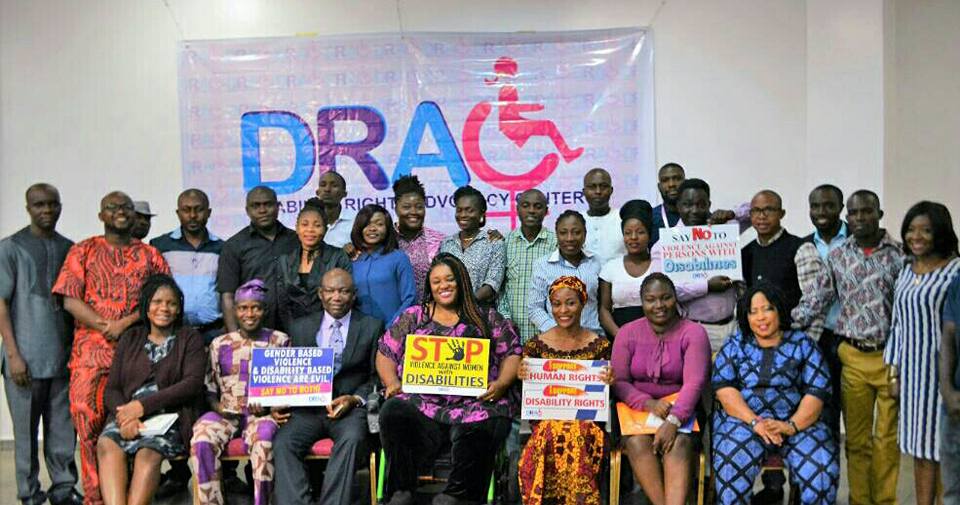
Participants were taken through the definition of disability and the various models of disability. Barriers militating against persons with disabilities were also highlighted, after which the media representatives participated in an interactive exercise where they identified situations of violence through case studies, and highlighted the role of the media and public awareness strategies for eliminating violence against women and girls with disabilities.
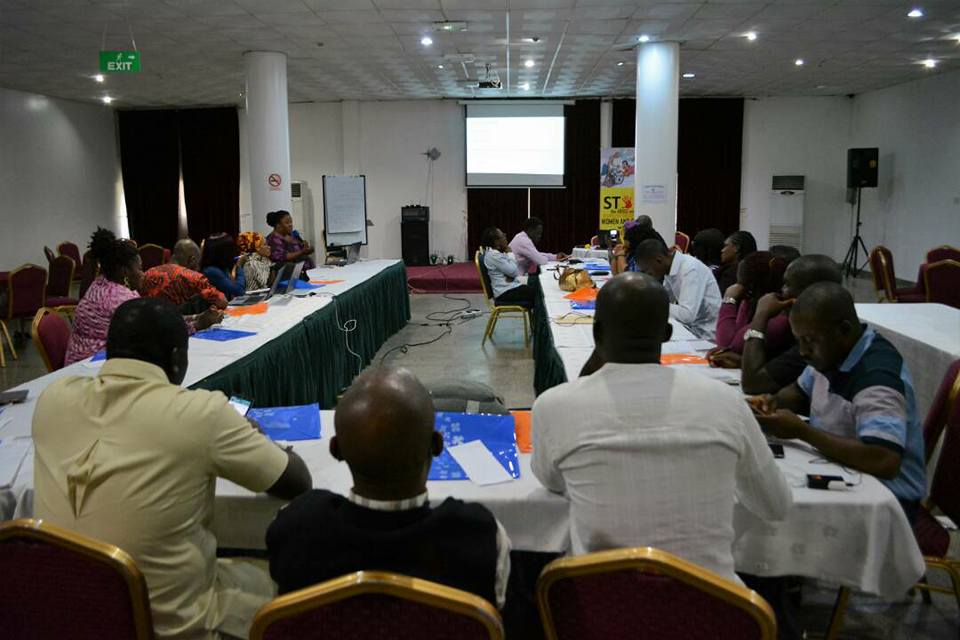
The main highlight of the event was the presentation on appropriate and inappropriate terminology and etiquette for interacting with persons with disabilities. This was particularly interesting to the media practitioners as they usually refer to all persons with disabilities with a generic term of ‘physically challenged’ which is deemed to be inappropriate.
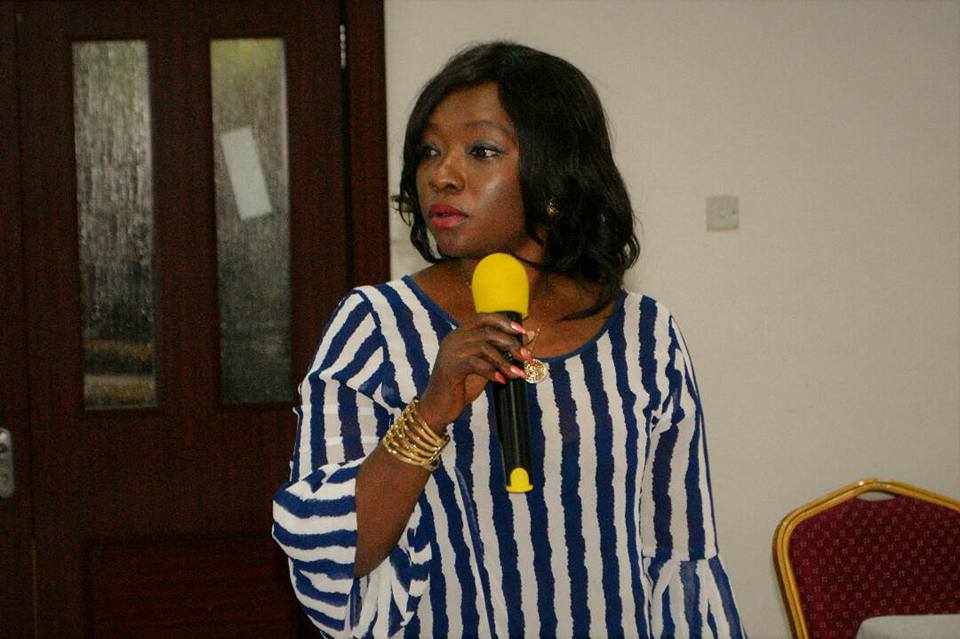
Participants commended DRAC for exposing them to the most enlightening definition of disability which opened their eyes to see that it is the society that actually disables an individual and not his/her impairment. They were also excited to learn about the various disability models and promised to become champions for the social and rights-based models.
This and other commitments made by the media practitioners were outlined in a communiqué adopted at the end of the roundtable
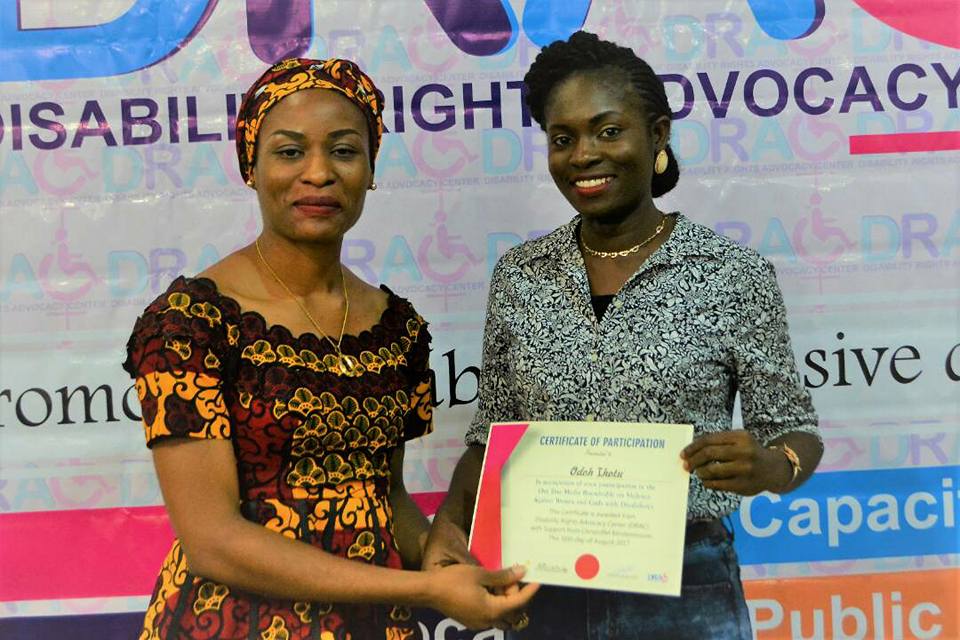
Certificates of participation were also presented to journalists.