


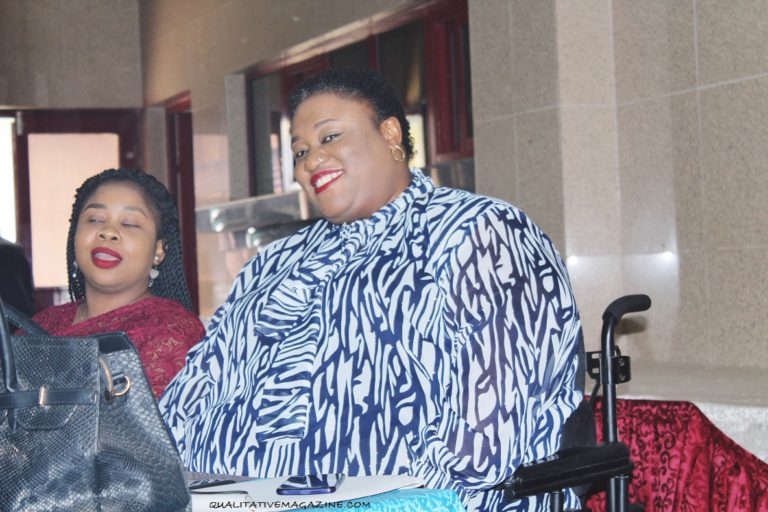
The Disability Rights Advocacy Centre (DRAC) has organised a three-day training on Sexual and Reproductive Health and Rights of Persons with Disabilities for organisation of persons with disabilities in the Federal Capital Territory (FCT)
Associate Director of DRAC, Ms. Nike Akinbola said the training which is part of the “Making it Work” Project of the Centre was put together for the disability community on SRHR to enable them understand their sexual health, reproductive health, their SRH rights and available SRH services.
In her opening speech, she urged participants to give their maximum attention to the training because of its usefulness, reminding them that DRAC has been committed to improving sexual and reproductive health and rights (SRHR) of women and girls with disabilities because it is a known fact that WGWD have often been left to their fate and they do not have equal opportunities to access SRH services like their counterparts without disability.
This lack of access to SRH services, she said is as result of physical, communication and attitudinal barriers experienced by WGWD in healthcare facilities.
“The National Policy on SRHR of PWDs with emphasis on WGWDs which DRAC initiated and developed in collaboration with the Federal Ministry of Health, civil society organizations and other stakeholders in 2015 is designed to address these barriers that hinder access to SRH services by WGWDs,” she said.
Experienced facilitators at the training took the participants through the UN Convention on the Rights of Persons with Disabilities (UNCRPD) provisions that support the SRHR WGWDs, highlighting articles 9, article 16, article 23 and article 25, the National Policy on SRHR of PWDs with emphasis on WGWDs.
Other topics include: Sexuality, Gender Norms and other SRH issues like Anatomy, Menstruation and Hygiene, HIV and other STIs prevention, Treatment and care. Personal values and how they affect the sexual rights of persons with disabilities was also examined.
The training also witnessed interactive group activities where participants were grouped in different days to discuss various issues and concepts.
One of the major highlights of the training was the demonstration of the use of male and female condoms using penile and vaginal models, as most of the participants had never seen or used a female condom before.
The participants were satisfied with the training going by their feedback and DRAC was urged to extend the training to more people within the community.
Executive Director DRAC, Dr. Irene Ojiugo Patrick-Ogbogu in her closing remarks urged participants to step down the knowledge to their different clusters and made a call for clusters to begin to put forward their younger ones, noting that there is an urgent need to start early to strengthen the capacity of the younger ones to be able to participate and lead the advocacy for the actualization of their sexual and reproductive rights.
DRAC’s ‘Making it Work’ project, funded by Oxfam Voice Program is designed to promote and jumpstart implementation of the National Policy on Sexual Reproductive Health and Rights of Persons with disabilities with emphasis on women and girls with disabilities (WGWDs) in order to improve their access to SRH services.
Participants at the training were majorly representatives of the various disability clusters: the Blind, the Deaf, the persons with physical disability and persons with albinism.