


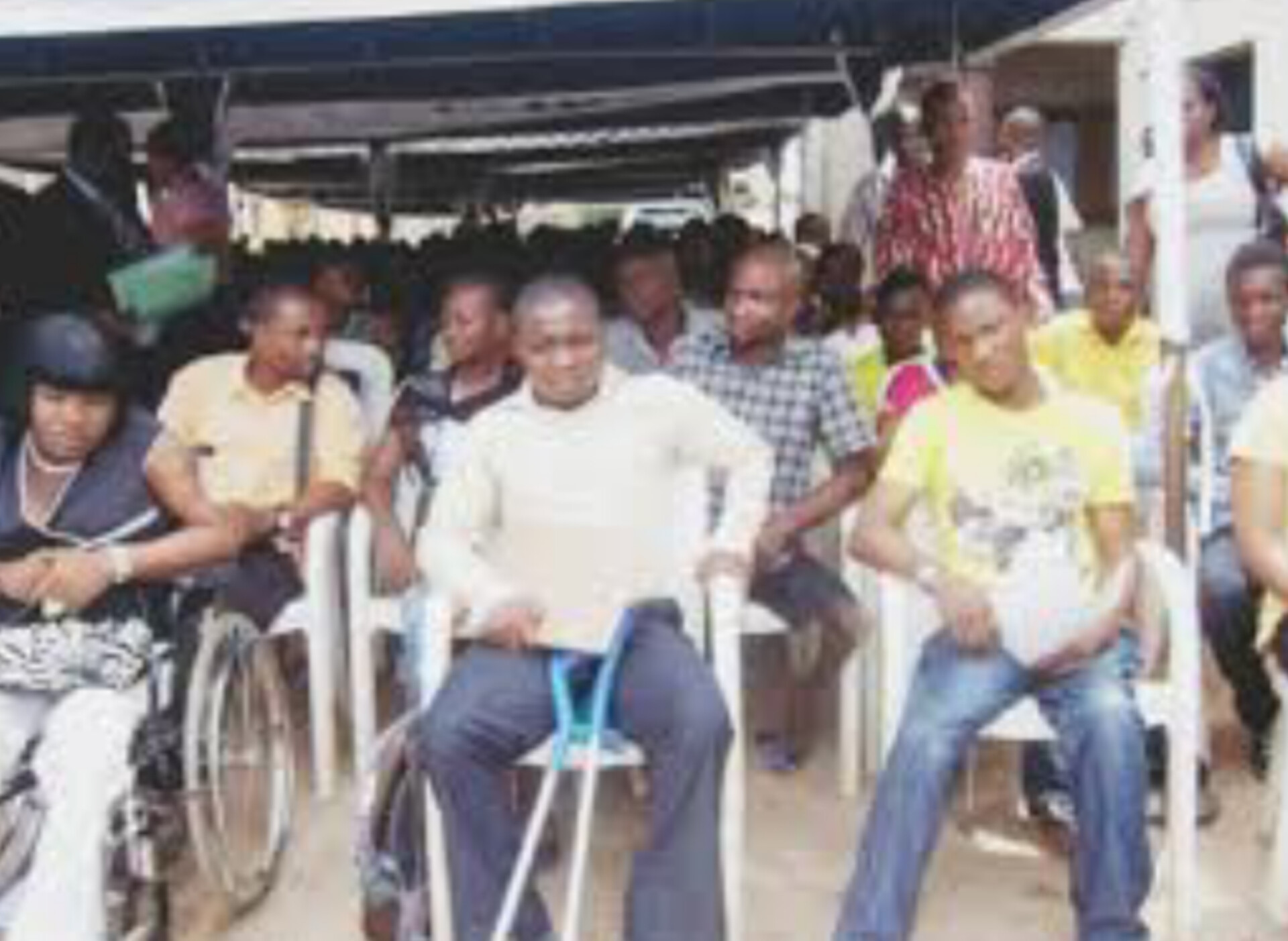
In Ibadan, experts and advocates from across Nigeria gathered with one resounding message: the government must stop treating vulnerable groups as an afterthought and instead make them central to policy and decision-making.
The call came during a workshop introducing the African Youth Pathways to Resilience and Systems Change (AYPReS) project, an initiative running in ten African countries to capture the voices of young people—especially those living with disabilities, displaced persons, and refugees.
For Professor Bukola Akinbola of the University of Ibadan’s Faculty of Law, real empowerment lies in breaking down barriers that deny youths with disabilities and refugees equal opportunities. He urged policymakers to design interventions that strengthen resilience, independence, and access to dignified work. He also pressed the media to shift their narrative: “Stop portraying vulnerable people as helpless. Show their resilience, their skills, and their contributions.”
Dr Pauline Ngimwa of PASGR added that the AYPReS project is built on listening, not assumption. “We want to understand how marginalised young men and women perceive dignified work, resilience, and change. Their lived experiences should shape the policies that claim to serve them,” she explained.
That point was echoed by Dr Babatunde Ojebuyi, the Nigerian lead researcher, who stressed that policies imposed without youth input are bound to fail. “We cannot speak for them; they must speak for themselves. This project is about ensuring their voices directly inform change,” he noted.
The discussion was not only academic. Former disability leader Yusuf Olatunji reminded stakeholders that inclusion must go beyond distributing wheelchairs or crutches. True empowerment, he said, means giving PWDs a seat at the table where decisions are made. For young entrepreneur Mariam Saka, the frustration is more immediate: many youths in the informal sector are trapped by lack of funding and little government support. “We want opportunities, not sympathy,” she insisted.
As participants agreed, Africa’s resilience and future depend on it. If young people—including those with disabilities, refugees, and displaced persons—are sidelined, the continent risks leaving its most determined voices unheard.
Join Inclusive News Network WhatsApp Community For Quick Access To News and Happenings Around You. Click Here