


•$28b lost to outages
The World Bank has approved $750 million in International Development Association (IDA) credit for Nigeria’s Power Sector Recovery Operation (PSRO).
The bank’s Board of Directors gave the approval “to improve the reliability of electricity supply, achieve financial and fiscal sustainability, and enhance accountability in the power sector in Nigeria.”
According to the bank, “about 47 per cent of Nigerians do not have access to grid electricity and those who have access, face regular power cuts.”
In addition, the Bretton Woods institution noted that “the economic cost of power shortages in Nigeria is estimated at around $28 billion – equivalent to two per cent of its Gross Domestic Product (GDP).”
The bank lamented that “getting access to electricity ranks as one of the major constraints for the private sector according to the 2020 Ease of Doing Business report.”
Improving power sector performance, particularly in the non-oil sectors of manufacturing and services, the bank said “will be central to unlocking economic growth in post COVID-19 era.”
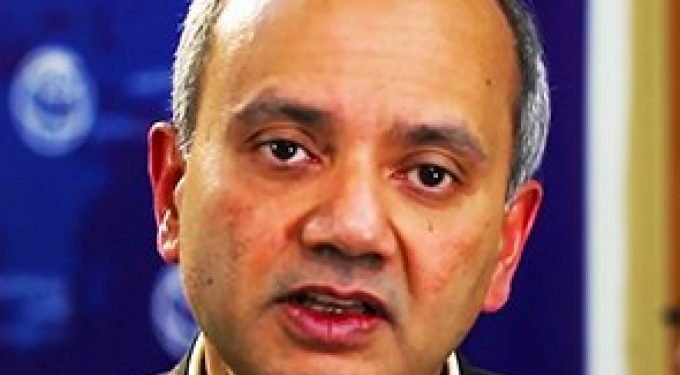
Shubham Chaudhuri, World Bank Country Director for Nigeria, noted that “the lack of reliable power has stifled economic activity and private investment and job creation, which is ultimately what is needed to lift 100 million Nigerians out of poverty.”
He went further “The objective of this operation is to help turn around the power sector and set it on a fiscally sustainable path.
“This is particularly urgent at a time when the government needs all the fiscal resources it can marshal to help protect lives and livelihoods amidst the COVID-19 pandemic.”
The PSRO provides result-based financing to support the implementation of the Government’s Power Sector Recovery Programme (PSRP).
The PSRP is a comprehensive programme to restore the power sector’s financial viability, improve service delivery and reduce its fiscal burden on government.
The PSRO is expected to increase annual electricity supplied to the distribution grid, enhance power sector financial viability while reducing annual tariff shortfalls and protecting the poor from the impact of tariff adjustments.
This will enable the turnaround of power sector while helping the Federal Government to redirect large fiscal resources from highly regressive tariff shortfall financing towards critical crisis-responsive and pro-poor expenditures.
It will also increase public awareness about ongoing power sector reforms and performance.
Specifically, the PSRO will ensure that 4,500 MWh/hour of electricity is supplied to the distribution grid by 2022 by strengthening the regulatory, policy and financing framework.
It will also enhance the accountability and financial viability of the sector, helping the sector create a track record of sustainable operation necessary for unlocking much needed private investments in the future.
Meanwhile, the global Coronavirus pandemic has sparked an economic “crisis like no other,” sending world GDP plunging 4.9 per cent this year and wiping out $12 trillion over two years, the IMF said yesterday.
Worldwide business shutdowns destroyed hundreds of millions of jobs and major economies in Europe face double-digit collapses in the worst crisis since the Great Depression nearly a century ago.
The prospects for recovery post-pandemic – like the forecasts themselves – are steeped in “pervasive uncertainty” given the unpredictable path of the virus, the IMF said in its updated World Economic Outlook.
“The COVID-19 pandemic has had a more negative impact on activity in the first half of 2020 than anticipated, and the recovery is projected to be more gradual than previously forecast,” the fund warned.
World GDP is expected to rebound by just 5.4 per cent in 2021, and only if all goes well, the body added. (TheNation)