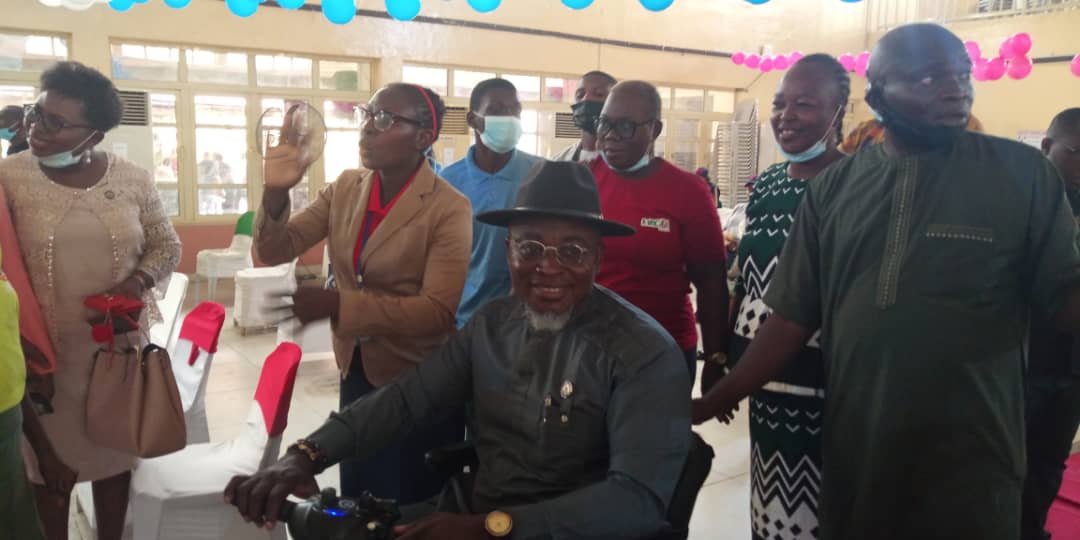
Empowerment Scheme: Gov. Okowa splashes N55m on 25 PWDs, 975 Youths
By Michael Oladapo,
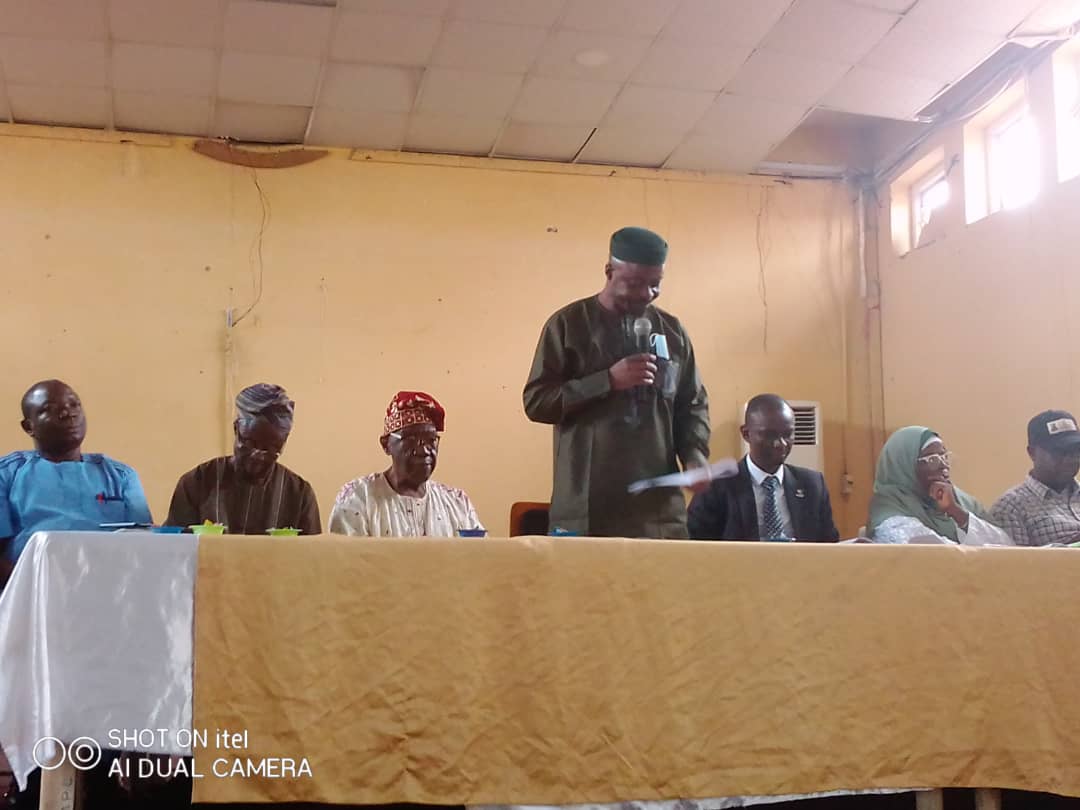
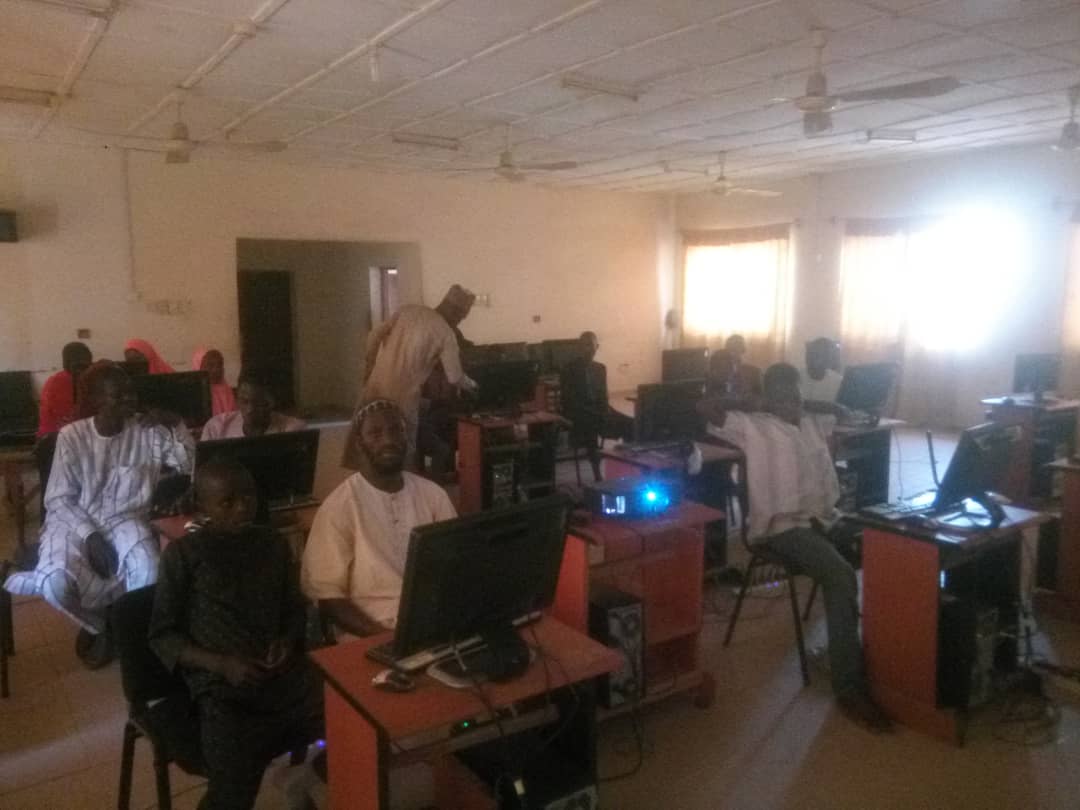
Delta state government Thursday graduated 1,000 youths of the 2020/2021 cycle in the Skill Training Entrepreneurial Programme (STEP) and the Youth Agricultural Entrepreneur Programme (YAGEP) and equipped them with starter packs and take-off grants.
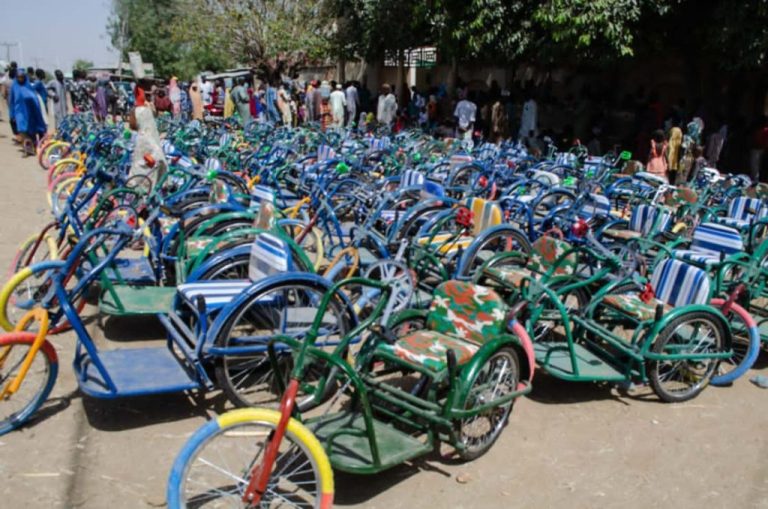
Among the beneficiaries are 25 Persons with Disabilities (PwDs), one in each from the 25 local government areas of the state, comprising 654 STEPreneurs and 346 YAGEPreneurs.
Since its inception in 2015, job creation empowerment has covered 6,074 beneficiaries. The number has expanded the portfolio of the youth empowerment programmes, including RYSA, GEST, WESAP and ICT-YEP of the state government.
Speaking Thursday in Asaba during the graduation ceremony of 1,000 STEP and YAGEP beneficiaries, Governor Ifeanyi Okowa hailed the proper documentation of the programme since 2015 said the initiative is a ‘work in progress for an expanding programme.
He said the programme is about the technical know-how of beneficiaries as he urged the graduands not to kill the dream of a stronger Delta pursuit with a weak mind.
According to him, ”it is only an irresponsible person that will succeed me and not continue with this programme because it is a responsible initiative. It has been legislated upon and signed into law by me.”
He warned there would be no favouritism or nepotism in admission of beneficiaries would be benefit and block the chance of others, to desist or risk being prosecuted,
He then splashed a gift of N500,000 each on the 75 outstanding beneficiaries, N10 million and N7.5 million for the choir and dancing group of the programmes.
The Chief Job Creation Officer, Prof. Eric Eboh, to Governor Okowa said the 1,000 beneficiaries have been trained in occupational, entrepreneurial and business skills.
He said the beneficiaries have been given starter-packs, shop-rent-support, other support packages, including cash support for critical farm operations.
He announced that a small sample of previous STEPreneurs and YAGEPreneurs have been profiled in a Hall of Fame as an informative reference to promote outstanding beneficiaries in an ongoing series.
He said two online programme Management Information System (MIS) – the job creation website and an open access Digital Programme Portal.
”The portal contains key programme information including databank of beneficiaries from inception to date, a databank of all trainers, training tools, enterprise starter-pack checklist and programme flow chart.
‘Sustainability tool is the 5-Yr Masterplan of Delta State Job and Wealth Creation Bureau. The Masterplan is driven by the legal enactment of the Job Creation Office as Job and Wealth Creation Bureau. The Masterplan provides the roadmap and signposts for enhancing the relevance, impacts and sustainability of the job creation model into the future.”
Marginalization: Gombe PWDs Demand Equality Through Participation In Governance
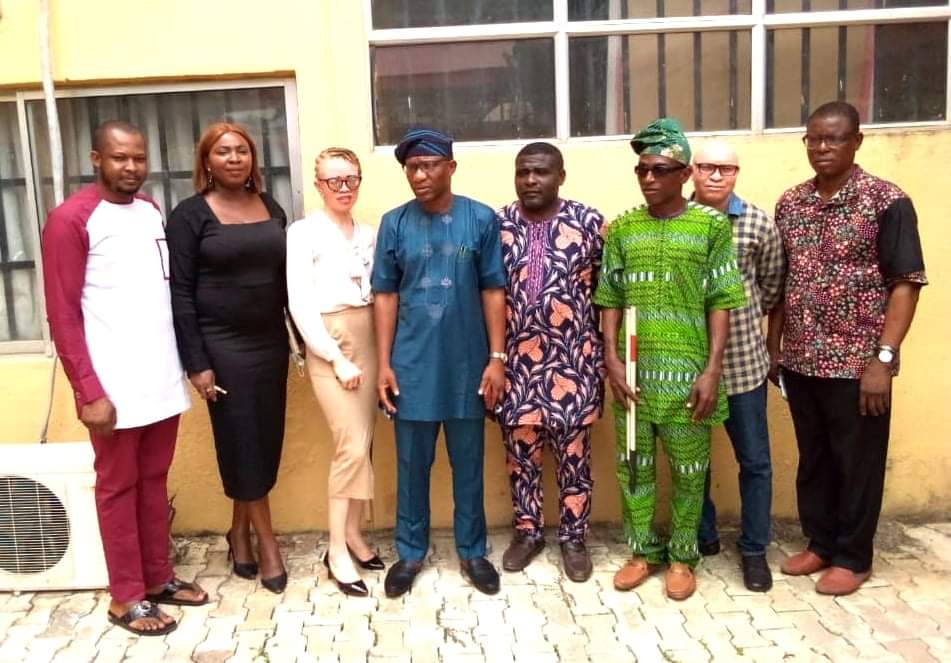
Joint National Association of Persons With Disabilities (JONAPWD) Balanga Local Government Area, LGA branch of Gombe State have challenged the polity over rationales for the exclusion of Persons With Disabilities, PWDs, in governance.
The pressure group spoke with Inclusive News Network, INN, on Tuesday when a group of Persons With Disabilities thronged office of the Chairman, Hon. Garba Umar, to express grievances over recurrent exclusion, marginalization and discrimination of PWDs in Governance.
Leader of the group, Mr. Abubakar Talasse told INN that the peaceful protest to the council Secretariat was originally meant to call attention of government top-shots within Balanga LGA and the State to the plights of PWDs in the council. This minority group suffer various forms of marginalization. It is therefore imperative to find means of ensuring their full integration and inclusion in governance and public services.
“We came here today with a mission to call attention of our leaders to our plights. We are tired of being abandoned to roam the streets begging for alms and being reduced to mere objects of charity.
Our people have the capacity to contribute meaningfully to the development of Balanga LGA in particular, and the State at large. What we need is full inclusion in the government”.
Mr Abubakar further lamented that despite the few number of Persons with Disabilities with the legitimate qualifications for public service and potential to contribute to development of the society, these persons are excluded from government.
“We have few graduates with flying colors from recognized institutions yet nobody employs them. Our people have no sense of belonging in the government”, he lamented.
The demonstrating group was received by deputy chairman of Balanga LGA Mr. Salamu Ezekiel. Ezekiel represented the Chairman of the council, Hon. Garba Umar who, at time of the visit was on official assessment .
Speaking in response to issues raised by leader of the group, Mr. Ezekiel said he was deeply shocked to hear the complaints brought forward by the group and he sympathized with them in this regard. His words, “when I heard your complaints I was terribly shocked, I still do. It’s unfortunate that such things have happened to your people. In my opinion, what happened was not intentional. Far from that”!
The deputy chairman who appeared deeply concerned about the plights of the group expressed hope that the situation would be contained in the right priorities at the right time. “I assure you that the council under the able leadership of Hon. Garba Umar would do everything humanly possible to accommodate People with Disabilities in our policies.
“When our leader return from his official assignments, we will discuss your problems at length, and by God’s grace come up with the right solutions for containing the problems. I imploy you to be prayerful and hopeful” Mr Ezekiel said.
INN gathered that Balanga LGA is one of the leading LGAs in Gombe State with significant population of PWDs who continue to suffer gross governmental neglect.
A member of JONAPWD Balanga LGA branch who does not want his name in print said he was sad because Balanga LGA is blessed with many successful and prominent personalities that have contributed immensely to the development of Gombe State but could not support PWDs in Balanga LGA. These people, he laments, showed no interest on the plights of PWDs in the local government.
This, according to him, is one reason warranting the protest to the council Chairman.
Foundation Advocates For Eradication Of FGM Among Women And Girls With Disabilities
Female Genital Mutilation (FGM) involves partial or total removal of the external female genitalia. It also encompasses other injuries to the female genital organs for non-medical reasons.
The practice has no health benefits for girls and women. On the contrary, it can cause severe bleeding, problems in urinating, cysts, infections, including complications in childbirth and increased risk of newborn deaths.
Research has shown that more than 200 million girls and women alive today have undergone FGM in 30 countries in Africa, the Middle East and Asia where FGM is practiced.
FGM is recognized internationally as a violation of the human rights of girls and women. It reflects deep-rooted inequality between the sexes, and constitutes an extreme form of discrimination against girls and women. It is nearly always carried out on minors/infants and thus a violation of the rights of these children.
The practice also violates a person’s rights to health, security and physical integrity; the right to be free from torture and cruel, inhuman or degrading treatment; and the right to life, in instances when the procedure results in death.
The World Health Organization (WHO) is opposed to all types of FGM, and is opposed to health care providers performing FGM.
The Treatment of the health complications of FGM in 27 high prevalence countries is estimated to cost 1.4 billion USD per year and is projected to rise to 2.3 billion USD by 2047 if no action is taken .
In commemoration of this day, Hope Inspired Foundation for Women and Youths lend their voices to advocate for the eradication of Female Genital Mutilation (FGM) among women and girls with disabilities thereby giving them absolute control over their own lives.
The foundation, in a statement released on Sunday said “We are doing our best in tackling the root cause of FGM by strengthening the capacity of women and girls with disabilities through trainings on improving their sexuality in a one-year project sponsored by Disability Rights Fund.
“We completely say “No” to FGM. Young girls should instead be empowered to change their communities at a very young age.”
Lois Auta Condemns Attacks On Kagoro Chiefdom, Urges Government To Swing Into Action.
The Executive Director, Cedar Seed Foundation and President, Network for Disabled Women, Lois Auta-Udonkanta has condemned the recent attacks on Kagoro chiefdom in Kaura Local Government.
Lois expressed her deep shock in a statement released on Saturday after receiving the ugly news of the unfortunate killings at Government College Kagoro axis by unidentified gunmen on Friday.
Local sources reported that some eleven people were killed and over three persons injured. According to the sources, six persons were confirmed dead, four more people were discovered Saturday morning, with one of the injured persons eventually giving up the ghost
It could be recalled that on the 31st of January, several houses were burnt and four people killed in Tsonje Kukum District of Kagoro by yet to be identified gunmen. Their barbaric acts have rendered many homeless and hopeless – especially women and children.
It is on account of these dastardly acts that Auta-Udonkanta condemned the killings in strong terms while calling on the government to rise to the occasion by fulfilling its responsibility to protect the lives and properties of the citizenry.
According to Lois, “securing the lives and properties of citizens remains the topmost job of any government.”
“I wish to commiserate with the families of the affected victims, the people of Kagoro chiefdom, and the entire people of Kaura Local Government over the loss of their beloved ones.” She said.
Edo first lady poises to combat gender based violence, presents VAPP law to judiciary
Wife of governor of Edo State, Betsy Obaseki has presented copies of the Violence Against Persons Prohibition (VAPP) Law to the Chief Judge of Edo State, Honourable Justice Joe Itsebaga Acha with the view of curtailing Gender Based Violence (GBV) in the state.
She made the presentation when she visited the office of the Chief Judge of Edo State
Mrs. Obaseki, accompanied by the State Commissioner for Gender and Social Development, Maria Edekor Esq, solicited the continued partnership of the Judiciary in the fight against gender based violence in the state.
Responding to the gesture, the Chief Judge of Edo State, Honourable Justice Joe Itsebaga Acha, commended the governor’s wife for her commitment in the fight against gender based violence in the state.
Justice Acha said “I want to thank you for your concern for the welfare of the less privileged and vulnerable ones in the society which this law seeks to protect.
” I assure you that the Judiciary is there for you. You are doing much more than is expected of you by taking the trouble to get this law printed and bringing it to us for our work.
“I assure you that we will partner with you.
“We also want to appeal to you that as was done in October last year that you continue to assist us with seminars so that we get used to this and we are also in the process of drafting practice direction for the implementation of this law.”
The CJ also commended her for her commitment to the welfare of the Judiciary saying “you are not only the mother of the state but we have identified you as an Ambassador of the Judiciary for all you have been doing for us, the way you have been talking with His Excellency to see that our needs are met and that focus is also put on the Judiciary.
“We want to thank you because in all my years in the Judiciary, about 30 years now, this is the first time I have seen the First Lady of the State coming to visit us in the Judiciary. We want to thank you for your simplicity.”
Gaps: Group launches social welfare intervention for orphanages, PWDs, others in Lagos
A group, Social Welfare Integrated Program Initiative, SWIPI, has launched an initiative designed to bridge the identified gaps in social welfare practice in Lagos State with the main objective of achieving a society that looks after the least vulnerable people.
Speaking at a media chat on the formal launch of the initiative scheduled to hold in Lagos on Thursday, Chairman of SWIPI, Dr. Kolawole Ajayi, said SWIPI would be intervening critically to assist orphanages, elderly care homes, children, People Living With Disabilities, PLWDs and the mentally challenged, notably in the areas of infrastructure, medical, education, nutrition and training needs.
Ajayi, who addressed the media alongside key officials of SWIPI, said the organization was conceived from the need to standardize social welfare practice in the society and intervene where necessary to help the needy.
According to him, “The plight of the most vulnerable in society is a collective responsibility that falls on every global citizen. SWIPI has stepped in to fill some of the gaps that are prevalent in the care and management of vulnerable people in our society.
“We have taken steps to meet these needs by paying visits to all care homes in Lagos with an emphasis on orphanages, elderly care homes, children with special needs, and mentally challenged to identify needs and proffer adequate solutions to them.
“Some of the gaps noticed mostly were in infrastructure, medical, education, nutrition, and training needs. As an example, we have delivered a training curriculum, using world-class facilitators and the feedback has been improved knowledge and delivery of care by the caregivers in the homes.””
Giving details, Ajayi said, the SWIPI team had already visited all the 64 orphanages in Lagos State, and that steps were being taken to address the identified needs, just as he said some of the needs have already been addressed.
“Talking about the infrastructural gaps, there are places we went to that lack a good source of water and toilet facilities. SWIPI had to dig boreholes and also provided water treatment plants for them.
“There are some homes without toilets and some with bathrooms serving both boys and girls without separation. Children have grown to the point that we need to make things the way they should be and the point is that government cannot do everything all alone. We have to intervene and this is one of the objectives of SWIPI,” Ajayi said.
Ajayi, who has been a paediatrician for more than 30 years, said SWIPI was also working towards ending the stigmatization associated with children with special needs, especially from the point of view of families hiding such children, adding: “What we are doing is to identify them, link them up with orphanages with expertise to care for them, and then commence some kind of management.”
Also, speaking, a member of the group, Valerie Ekperigin, said SWIPI was working in collaboration with state agencies, especially the Ministry of Youth and Social Development, and counting on the support of other stakeholders to achieve the set objectives.
FG launches national eye health policy for equitable access to care
The Federal Government has launched the National Eye Health Policy and inaugurated a National Eye Health Committee, to ensure equitable access to quality eye care services in Nigeria’s health system.
The Minister of State for Health, Dr Adeleke Mamora, represented by Dr Omobolanle Olowu, Director Special Projects, Public-Private Partnerships and Diaspora (DSP/PPP and Diaspora), inaugurated the policy, in Abuja, on Thursday.
Mamora said the policy was to scale-up existing eye healthcare services in the country.
He added that lack of awareness and inaccessibility to eye care was a possible reason why many Nigerians are visually impaired.
According to him, the National Eye Health policy is Nigeria’s first comprehensive National Eye Health Policy which scales-up existing eye health services and ensures that no one is left behind, through approaches that ensure equitable access to quality eye care services.
He said it would help the country in the achievement of universal eye health, as a part of universal health coverage in Nigeria.
Mamora said that the document had been adopted by the States and the Federal Capital Territory at the 64th meeting of the National Council on Health.
“it is believed that with this launch, adoption of the policy in the various states will begin.
Mamora, reiterated the importance of vision to the socio-economic development of the people.
He said that Nigeria, with other member states at the United Nations General Assembly recently, adopted the vision for everyone which formed accelerating action to achieve the sustainable development goals resolution,
According to him, it was aimed at committing the international community to eye health for the 1.1 billion people living with preventable sight loss by 2030.
“It, thus, enshrines eye health as part of the UN Sustainable Development Goals. Evidence has shown that individuals with impaired vision have difficulty in the performance of their daily tasks.
”Inability to fend for themselves, thus lowering their productivity and consequently reducing their contribution to the economic growth of the nation,” he said.
Mamora said that it had also been established that the avoidance of blindness was key to the achievement of Sustainable Development Goals (SDG 1; no poverty) as vision loss alone costs the globe a whopping $411 billion annually.
“Following successful cataract surgery, the income bracket of 46 per cent of households moved up the economic ladder, thus contributing to eliminating the zero hunger in SDG 1.
“Thus, enshrining this document as part of our governance structure ensures that the majority of Nigerians have the potential to reduce the burden of blindness,” he said.
Mamora added that the document would ultimately lead to an increase in the nation’s Gross Domestic Product (GDP) and further enhance its economic growth.
He said that the document would put in place a framework for best practices and enhance competence based leadership in all strata of eye health.
“It will encompass optical, optometric, medical and surgical ophthalmology as well as allied health services. It also aims at ensuring that there is a patient centre inclusive eye health,” he said.
Mamora said the country needed access to quality eye care at the primary, secondary and tertiary levels without neglecting the rehabilitation of those who are already irreversibly blind.
He said that it would scale-up quality systems, through optimisation of the referral system within the healthcare industry, and also facilitate inter-sectorial collaboration with relevant stake holders.
In a country like Nigeria with a prevalence of 0.78 per cent of blindness, with women and the elderly affected the most, 84 per cent of these blinding diseases are avoidable, the Minister noted.
He said diseases like cataract, glaucoma, refractive errors, uncorrected aphakia, harmful traditional eye practices, corneal opacities and NTDs like trachoma and onchocerciasis can be avoided.
Read also: Abuja lawmaker empowers communities with healthcare equipment
The document reduces those barriers by ensuring that there was a framework to strengthen and support the healthcare facilities and also reduces inequality in accessing eye health services, according to Mamora.
“With no attendant financial risk to the populace and ultimately ensuring equity in the provision of eye care services, partnerships with key stakeholders is one of the priority areas of the National Eye Health policy.
“This is because we believe partnership with relevant ministries, departments and donor agencies, like Sight Savers, helps to ensure that policies made affect the lives of common Nigerians in such a way that achieving the Sustainable Development Goals becomes imperative for us,” he said.
He added that the policy would also ensure that children get quality education, thus facilitating the achievement of SDG 4, as simple use of glasses for refractive errors reduces the odds of failing exams by 44 per cent.
The Head of National Eye Health Programme, Dr Oteri Okolo reflected that innovative financing and implementation would help in advancing the course of the policy. (NAN)
Lalu assures of partnership with API, others to alleviate the plights of PWDs in Nigeria
The Executive Secretary National Commission for Persons with Disabilities, Mr James David Lalu has assured that the Commission will partner with African Polling Institute and other Stakeholders in the disability community, to protect the rights of Persons with Disabilities, to alleviate their plights in Nigeria and to further ensure their inclusion in all government programmes.
The ES made this assurance recently in Abuja during a validation Workshop organized by the API which was themed “validation for workshop on PWDs’ diagnostic tools for Institutions in Nigeria”
In his address, the ES re-affirmed his commitments to providing a baseline for inclusion and accessibility for persons with disabilities in Nigeria.
He further harped on the importance of the documents on PWDs which he also stated would help bridge the gaps between Ministries, Departments, Agencies and Persons with Disabilities in the country.
Lalu however, disclosed that the document will also assist in having unalloyed deliberations with MDAs. He also promised that the document will be put in use by the Commission in a very near future.
The ES commended API for generating the document/data and assured that it will be pushed for policy changes considering that 90% of policies in Nigeria do not have provisions for Persons with Disabilities.
“As API is helping to fill in the gaps, the Commission is gearing to put this document in action before the end of 2022” he assured.
In his response, the Executive Director African Polling Institution, Professor Bell Ihua commended the ES for taking time out of his tight schedules to be part of the validation Workshop.
Ihua futher presented five components of the workshop which include networking with NPS to gather statistics, action research component to engage scholars from six geo-political zones of the country, sexual and gender based violence among PWDs, Development of diagnostic tools capacity building for Persons with Disabilities across communities in Nigeria and what have you.
Present at the meeting with the Executive Secretary were the Ag. Director Social Integration Department NCPWD Mr Lawrence Idemudia and the Sign language interpreter NCPWD Mr Timothy Tinat.
Government partners decry stigmatization of people living with leprosy
In commemoration of World Leprosy Day 2022, the Nigerian Government and its partners have denounced the continued stigmatization of people living with the disease.
The Honorable Minister of Health, Dr. Osagie Ehanire, speaking at a ministerial press conference to mark the day in Abuja on January 31, 2022, said stigma continues to have a negative impact on successful elimination of the disease and reintegration of cured people. in their communities.
Dr. Ehanire noted that leprosy is a public health problem and places the country among the last nations in the world to defeat the disease, with more than 1,000 new cases reported in a year.
In 2020, Nigeria reported 1,508 new cases, of which more than 13% had visible finger and toe deformities, and more than 6% were children.
“Efforts to combat the disease are still plagued by challenges. Stigma and discrimination against people affected by leprosy and their families remains a challenge. Mistaken beliefs that it is a contagious, hereditary, or ordered punishment, and fear of rejection by family and friends, deter victims from seeking early care if they suspect they have leprosy and discourage cured individuals from reintegrating into their communities .
The commemoration of World Leprosy Day 2022 draws attention to the plight of fellow citizens living with the age-old disease. We mark this occasion again with a review of Nigeria’s efforts to end the disease. Some 18 states continue to witness its characteristics as an endemic disease across the country, he said.
In his goodwill comment, WHO Country Representative (WR), Dr. Walter Kazadi Mulombo, welcomed Nigeria’s efforts in Leprosy Programming and said the country is not out of the woods yet, as which remains important in the global roadmap for the eradication of leprosy.
The WR said reporting of new cases and Grade 2 disability is a problem among patients as cases could be prevented through early diagnosis, contact tracing and ensuring adherence to treatment.
He added that this year’s theme, “United for Dignity”, emphasizes the need for greater collaboration of all stakeholders to join forces and ensure greater efforts towards the elimination of leprosy and the prevention of the disabilities it causes.
WHO commitment
Dr. Mulombo pledged WHO’s commitment to collaborate with other key partners to intensify actions in support of the Federal Ministry of Health to mobilize the necessary national and international resources for the control, elimination and eradication of leprosy and other diseases. neglected tropical areas in the country.
He said that the WHO is also committed to facilitating the donation of all necessary medicines for leprosy as it has always done every year.
“Finally, I want to encourage people, communities and local governments to encourage surveillance, testing and treatment of leprosy and learn more about this disease, to end the silent epidemic,” he added.
World Leprosy Day is celebrated annually on the last Sunday in January. Leprosy or Hansen’s disease is a chronic infectious disease caused by a slow-growing bacterium, Mycobacterium leprae (M. leprae). “It is an ancient disease, described in the literature of ancient civilizations. Throughout history, affected people have often been ostracized by their communities and families.”
The commemoration aims to celebrate people who have experienced leprosy, raise awareness of the disease, and call for an end to leprosy-related stigma and discrimination.
No fewer than 1,212,118 children in Adamawa were immunised during the Round One Outbreak Response exercise in 2021.
Mr Crowther Seth, the Deputy Governor of the state, made the statistics available during the Taskforce on Immunisation meeting, held on Friday in Yola.
Seth, who is also the chairman of the taskforce, expressed optimism over government’s commitment towards improving healthcare delivery in the state.
He praised the stakeholders for their roles in ensuring success of the exercise across the 21 local government areas of the state.
“In spite of all odds, the task force has achieved a coverage of 101 per cent and a wastage rate of six per cent.
“The feedback from the round one outbreak response is clear and gives courage for preparation of the round two exercise scheduled for February 2022,” he said.
The deputy governor reassured that there would be early release of funds towards a successful conduct of pre-implementation activities.
He encouraged the critical stakeholders to support the programme through intensive advocacy and social mobilisation.
Responding, Mrs Rhoda Yohanna, the Permanent Secretary, Ministry of Health, described the outcome of the exercise as recording laudable achievements.
Yohanna said the exercise aimed at building necessary herd immunity in the state and for the country to retain its polio-free status. (NAN)
Vulnerable Nigerians’ll continue to enjoy social safety nets, Buhari assures
President Muhammadu Buhari says the poor and vulnerable in Nigeria remain top priority for protection and lifting from the poverty cycle.
The president stated this at the virtual official presentation of the Country Review Report of Nigeria.
He stated this at the 31st Africa Peer Review Forum of the African Union leader in Addis Ababa, Ethiopia, on Friday.
Buhari assured that social safety nets would be further sustained, while access to education and opportunities will be expanded.
He said the government would also take advantage of Information, Communication and Technology to ensure inclusiveness, access and create more opportunities.
“Your Excellencies, Nigeria’s strategic focus, as we set out to achieve the objectives of the African Union Agenda 2063, has been around the following:
”Building a thriving and sustainable economy; Enhancing social inclusion and alleviating poverty; Enlarging agricultural output for food security and sufficiency; Attaining energy sufficiency in power and petroleum products.
”Expanding transport and other infrastructural development, business growth, entrepreneurship and industrialization.
“Access to quality education, affordable healthcare and productivity, social cohesion and security; and, building a system that fights corruption and improve governance.”
According to the president, Nigeria remains resolutely committed to achieving these set goals in spite of the challenges that the report highlighted, including the COVID-19 pandemic.
”The government of the Federal Republic of Nigeria remains committed to providing social safety nets for the poor and most vulnerable in our society, while also taking advantage of the huge opportunities offered by the information and technology sector,’’ he said.
He reiterated that Nigeria had remained a committed and dedicated member of the African Peer Review family, after acceding to the Mechanism in 2003.
“Today, the forum has presented its second peer review report on Nigeria.
“This Second Peer Review of Nigeria came at a critical time in the history of the country.
”From the report just presented, there is no doubt that the exercise was far reaching, as it touched the various segments of Nigeria’s political-economy and highlighted the progress recorded since the first peer review.
“The report also highlighted some challenges and as a country, we are prepared to review those challenges in the context of our internal dynamics in Nigeria, ultimately with the determination of achieving Agenda 2063 goals of the African Union,’’ he added.
According to him, Nigeria remains grateful to be at the esteemed Forum of the Heads of State and Government, which provides a unique opportunity to present the Country Review Reports of some countries, including Nigeria.
“Let me use this opportunity to commend the President of South Africa for his dedication to the Forum since his election as the Chairperson of the African Peer Review Forum.
“I also recognize the distinguished Panel of Eminent Persons for their continued good work in steering the African Peer Review Mechanism process in all member countries.
”I recognize specifically, Dr Abdoulie Janneh who led the Review Mission to Nigeria,” he added.
Buhari congratulated the other three countries (Namibia, Niger and South Africa) that had been reviewed alongside Nigeria, commending the boldness and courage to present their countries for the comprehensive exercise.
“I call on other member states to join us and present themselves for review as well. There are so many lessons that we can all learn together.
”It is from learning these lessons and recommitting ourselves as a continent that we all can contribute to our collective efforts to achieve the objectives of the “Africa We Want”.” (NAN)
NCPWD validates it’s 5-year strategic plan for PWDs, seeks stakeholders support
The National Commission for Persons with Disabilities, (NCPWD) under the astute leadership of its Executive Secretary, Mr. James David Lalu has organized a 2-day validation workshop of the Five-Year Strategic Plan of the Commission held in Abuja on 3rd and 4th of February, 2022.
The event which drew attendance and participation of leaders of Organizations of Persons with Disabilities, OPDs, Civil Society Organizations, International Development Agencies and other critical stakeholders from the Nigerian Disability Community was in line with President Muhammadu Buhari’s resolve for an all inclusive government.
Nevertheless, the Executive Secretary National Commission for Persons with Disabilities Mr. James David Lalu in his keynote address reassured that the Strategic Plan upon validation will capture a wide range of issues that border on better co-existence of persons with disabilities .
He lauded the efforts of the partner organization, Sightsavers and stated that the time was ripe for all stakeholders to come together to ensure that the mandate of the Commission was accomplished.
The ES further declared that there is a need for the various CSOs and OPDs to come together to work in harmony and with purpose.
”It was one thing to have pushed for the establishment of the Commission, it is another for all willing partners and disability stakeholders to come together to work collectively in order to ensure that the fortunes of PWDs in the country is turned around”, he said.
Lalu also seized the occasion to reiterate his passion and dedication to the ideals and values upon which the Disability Act and the Commission was founded and stated that it was his determination to ensure that all PWDs would have unfettered access to the broad range of social services that would assure them of better standard of living.
Speaking at the occasion, the Lead, Disability Inclusion desk, Sightsavers, Mr. Rasak Adekoya hinted that the workshop was geared towards validating the draft of the Five-year Strategic Plan of NCPWD.
He said that it is the culmination of an extensive strategic development effort, centered around carving a roadmap for the implementation of the provisions of the Disability Act for the period spanning 2022 to 2026 which involved broad consultation with stakeholders and duty bearers within the disability community.
In the same vein, the Director, Planning Research and Statistics of the Commission, Mr. Soji Adewale in his opening remarks appreciated the tireless efforts of Sightsavers, acknowledging that their commitment to the project was very instrumental to the successful development of the Strategic document.
Earlier in her goodwill message, Ms Onyinye Atuanya of the Foreign, Commonwealth and Development Office, (FCDO) thanked the ES for his conscious efforts towards advancing the course of disability community and equally reiterated the commitment of the FCDO to advancing Disability Inclusion.
She stated that Inclusion was a crucial agenda for her organization and formed the centerpiece of FCDO’s Disability Inclusion Strategy (DIS) which was a strong feature of the International Development Strategy (IDS).
She added that the IDS encapsulates the UK plan to offer developing countries including Nigeria, the necessary support to help them build back better in the wake of the challenges posed by the COVID-19 pandemic.
The Lead consultant, Dr. Toyin Aderemi stated that the Strategic Plan was a well thought-out working document which would serve as an operational instrument that would govern the implementation of the Disability Act and all of the provisions.
She stated that the activities and interventions captured in the document addressed how PWDs could benefit maximally from key activities and services spamming inclusive Education, Quality Healthcare, Economic Empowerment and Social Protection.
She opined that as much as the Document already covered a lot of grounds and was exhaustive, that participants at the workshop should be able to identify one or two areas wherein some inputs could be made, modified and or adjusted to reflect the realities of the challenges faced by PWDs and how the Document could address them.
Participants at the event were sorted into five groups with each group reviewing different parts of the Strategic document and making their inputs and modifications as they deemed appropriate.
The World Bank represented by Ms. Cindy Ikeala also lauded the Commission and her partners for the efforts concerted towards the development of the Strategic Document, declaring that the World Bank remains committed to Disability Inclusive development which she described as directly responsive to the institution’s twin goals of ending extreme poverty and promoting shared prosperity.
She, however reiterated the World Bank’s readiness to support and provide technical assistance to the Commission in the efforts to implement the outlined strategic interventions as captured within the Document.
Nigeria’s leprosy cases drop from 7,827 to 2,000 in 6 years – Minister
The Minister of Health, Dr Osagie Ehanire, says the number of new leprosy cases detected annually has significantly dropped from more than 7,827 in 1994 to less than 2,000 in 2020.
Ehanire said this at a news conference on Monday in Abuja in commemoration of 2022 World Leprosy Day themed “United for Dignity.
According to him, the day is been celebrated every last Sunday of January to create awareness and mobilise support for leprosy control.
“This day provides us an opportunity to focus on an ancient disease that has caused a lot of misery to humans.
“It will also help us to update stakeholders on future plans as well as monitor our progress towards achieving targets set in Global Leprosy Strategy and Sustainable Development Goals (SDGs),’’ he said.
Ehanire said that leprosy was a mildly infectious disease caused by a slow multiplying bacillus, Mycobacterium leprae with incubation period of about five years.
He said that symptoms could take as long as 20 years to appear.
Ehanire said that the disease mainly affects the skin, peripheral nerves, mucosa of the upper respiratory tract and the eyes.
“Leprosy is transmitted via droplets, from the nose and mouth, during close and frequent contacts with untreated cases.
“Untreated leprosy could lead to life-long disabilities affecting the skin, nerves, limbs and eyes,’’ he said
The minister noted that leprosy was still a public health problem in Nigeria, as the country was among the few countries in the world that are still reporting greater than 1,000 new leprosy cases annually.
According to him, under the report of the 2015 National Leprosy review, 18 states in the federation are still endemic for leprosy, although anecdotal evidence suggests pockets of leprosy endemicity in almost every state of the federation.
He said that in 2020, Nigeria notified 1,508 new leprosy cases.
Ehanire said that a five-year trend of newly notified leprosy cases showed multi-bacillary (infectious type) leprosy proportion of over 90 per cent and proportion visible deformity of more than 13 per cent.
He said that it also showed a child proportion of over 6 per cent.
Ehanire said that there was notable achievements of the ministry through the National TB, Leprosy and Buruli Ulcer Control Programme (NTBLCP) with the support of partners since inception.
He said that more than 33,000 leprosy patients both adults and children have been treated successfully from 2009 till date.
“Nigeria was among the countries that attained the World Health Organisation (WHO) elimination target of less than 1 leprosy case per 10,000 populations at the National level in the year 2000,’’ Ehanire said.
He said that all the 774 local government areas in the country has at least one multi-drug therapy (MDT) clinic for management of Leprosy patients, with 25 referral and rehabilitation centers for leprosy patients nation-wide.
“The National TB, Leprosy and Buruli ulcer Training Centre (NTBLTC), Zaria, was established to undertake human resource development as it relates to TB, Leprosy and Buruli Ulcer (BU) control.
“Others are the establishment of a functioning Integration, Dignity and Economic Advancement (IDEA), the umbrella body for persons affected by leprosy at the national and sub-national levels.
“Uninterrupted supply of leprosy medicines (multi-drug therapy) since inception of the programe and implementation of Single Dose Rifampicin as Post Exposure Prophylaxis for preventive measures,’’ he said.
According to him, as good as these achievements may seem, Nigeria’s leprosy control efforts have been bedeviled with a number of challenges.
He said the challenges are stigma and discrimination against persons affected and their families still a major challenge in Nigeria.
The minister said that people have myth about the disease, that it was highly contagious, hereditary and heaven’s punishment with attendant consequences like loss of income and homes.
He said that the fear of rejection by family and friends make individuals to be scared of seeking early care if they suspect leprosy.
“Stigma and discrimination discourages integration of persons affected back to their communities even after they have been cured.
“Although annual leprosy case notification in Nigeria has dropped below 3000 cases, anecdotal evidence suggests the drop is partly due to dwindling skills in leprosy management.
“As well as reduced interest in leprosy control among health care practitioners,’’ he said.
According to him, this assertion is further reinforced by the high multi-bacillary and childhood leprosy proportions recorded in Nigeria in recent years.
He said that a more worrisome trend was the high number of notified leprosy cases with visible deformity, which was at 15 per cent.
The minister said the progress so far was not very encouraging as it does not show the expected progress towards ending leprosy in Nigeria, but rather calls for more accelerated response and innovative ways of combating the disease.
Ehanire said the ministry was collaborating with relevant ministries, departments and agencies to ensure full implementation of the recently enacted “Discrimination Against Persons with Disabilities (Prohibition) Act at both the national and sub-national levels.
“We will sustain engagement of professional associations and regulatory bodies with a view of mainstreaming leprosy control in the curriculum of pre-service and post-graduate health institutions.
“Ensuring full implementation of the recently developed case management NTDs plan and scale up of post-exposure prophylaxis (PEP) for contacts of leprosy patients.
“Strengthen socio-behavioural change communication on Leprosy through strategic engagement with the press and training and re-training of general health care workers through online platforms, continuing medical education programmes as well as seminars/conferences.
“Improving annual budgetary provisions for leprosy at the national and state levels.
“Sustained engagement of corporate organisations and donors to support Leprosy control,’’ he said.
Ehanire said that early detection and complete treatment with implementation of Multidrug Therapy (MDT) remain the fundamental principles of leprosy control hence the continued need for a concerted response from all stakeholders.
He however assured that leprosy was curable and the treatment is free.
According to him, early reporting significantly reduces the chance of having deformities and post-exposure prophylaxis is currently available for contacts of Leprosy patients.
He therefore called on the media to help propagate the information and to educate the public to stop stigma and discrimination of people affected by leprosy.
According to him, the theme calls for unity in honouring the dignity of people who have experienced leprosy by sharing their empowering stories, and advocating for mental wellbeing and the right to a dignified life.