


Persons with disabilities (PWDs) have renewed calls for the creation of dedicated legislative seats and the full implementation of existing disability laws, citing continued exclusion from governance, education, employment, and essential services.
The demands were made during a town hall meeting organised by News Central TV in Asaba, Delta State, where stakeholders emphasized that policies designed to improve the lives of persons with disabilities often fail due to limited inclusion of PWDs in decision-making processes.
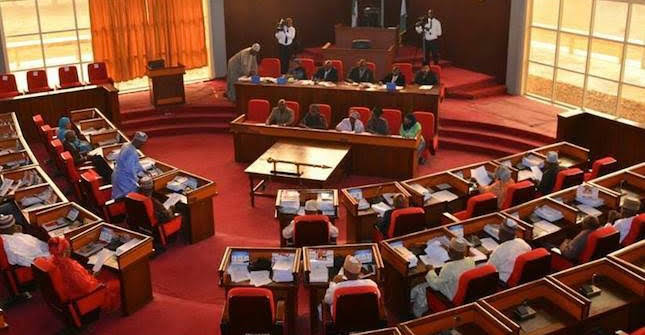
Speaking at the forum, the President of the Isaac Joshua Initiative for Disabilities (ISJID), Mr. Isaac Odjuwu, appealed to both federal and state governments to establish special legislative seats for persons with disabilities in the National Assembly and State Houses of Assembly. He stressed that meaningful reforms cannot be achieved without direct representation of PWDs in lawmaking institutions.
According to him, persons with disabilities must be actively involved in initiating and shaping laws that affect their welfare and rights, noting that representation remains a critical step toward achieving genuine inclusion.
The town hall, which attracted over 200 participants including disability advocates, policymakers, healthcare professionals, and community leaders, highlighted the weak enforcement of disability laws as a major challenge despite the existence of legal frameworks aimed at protecting the rights of persons with disabilities.
Also speaking at the event, the Asagba of Asaba, His Royal Majesty, Epiphany Azinge, underscored the urgent need to shift focus from policy formulation to effective implementation of already enacted laws. He noted that progress in disability inclusion would remain limited without deliberate enforcement and accountability mechanisms.
Beyond policy discussions, participants shared personal experiences illustrating the daily challenges faced by persons with disabilities, particularly in accessing education and employment opportunities.
A visually impaired English teacher, Mr. Sola Idowu, recounted his prolonged struggle to secure employment since 2014, attributing the situation to persistent discrimination and inadequate inclusive employment policies.
Similarly, another participant, Mr. Chinedu Uwabuofu, highlighted the barriers posed by inaccessible infrastructure in tertiary institutions. He explained that the lack of disability-friendly facilities at Delta State University forced him to remain outside lecture halls during classes, significantly affecting his academic experience.
The town hall meeting, supported by The Albino Foundation Africa, also examined gaps in healthcare services and broader welfare concerns affecting persons with disabilities in Delta State and across Nigeria.
Stakeholders at the event collectively called for comprehensive structural reforms to address systemic exclusion. These include improving public infrastructure, strengthening inclusive education systems, expanding employment opportunities, and ensuring strict enforcement of disability laws.
Participants further urged government institutions to demonstrate stronger commitment to accountability and sustained engagement with the disability community in the development and implementation of policies that promote equality and inclusion.
Join Inclusive News Network WhatsApp Community For Quick Access To News and Happenings Around You.