


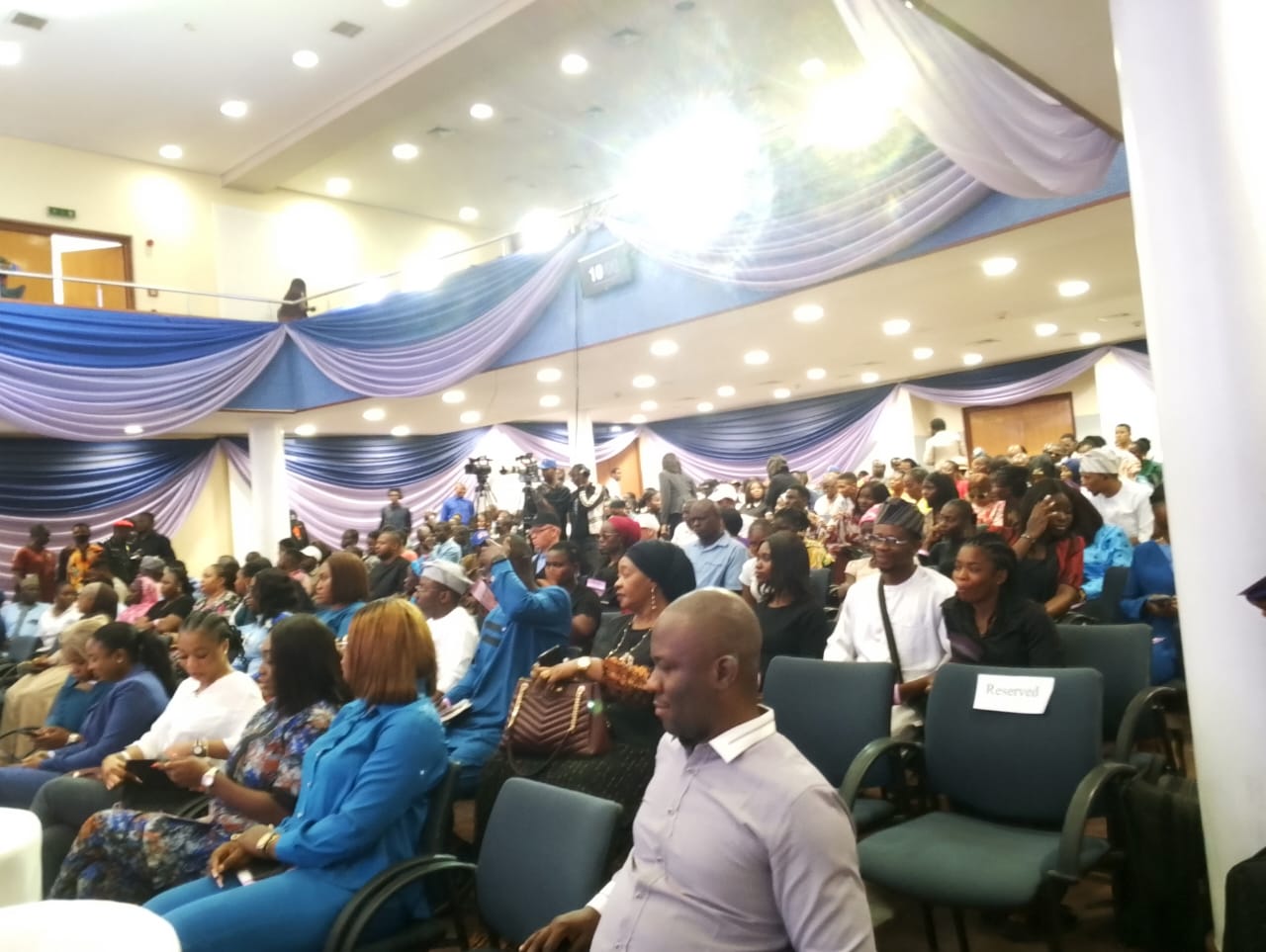
Nigeria commemorated the 33rd International Day of Persons with Disabilities (IDPD) on Friday at the Musa Yar’Adua Centre, Abuja, with renewed calls for strict enforcement of the Disability Act, increased private-sector participation, and measurable progress in workplace accessibility across the country.
The high-level event brought together top government officials, lawmakers, international partners, and disability advocates. The gathering underscored a national shift from symbolic observance to enforceable rights and evidence-based inclusion.
Speaking at the opening session, Molly Joshua Ado, Director of Programs at the Inclusive Friends Association, urged the government and private institutions to transition from awareness-driven activities to clear, measurable actions. She highlighted the urgent need for robust data systems, stronger enforcement mechanisms, and active private-sector collaboration.
“We must recognize the progress made, yet acknowledge existing gaps. Enforcement of the Act and private sector engagement are critical to creating an inclusive Nigerian society,” Ado said.
The Australian High Commissioner, Leilani Bhuda, reaffirmed Australia’s partnership with Nigeria in promoting disability equity. She commended ongoing collaborations while calling for mainstreaming disability inclusion across all sectors of society.
“Disability equity is a call to action — it unlocks economic growth and strengthens community resilience,” Bhuda noted.
Representatives from Christian Aid UK Nigeria pushed for a shift from charity-based perspectives to a rights-based inclusion model. They emphasized the need for active recruitment of persons with disabilities, workplace accommodations, and strict adherence to Nigeria’s 5% employment quota.
Lawmakers, including the Deputy Speaker of the House of Representatives, emphasized that the era of signing bills without enforcing them must end. He described non-compliance with the Disability Act as “economic sabotage” that undermines both human rights and national development.
“Oversight and enforcement are now our legislative priorities,” he declared.
The Permanent Secretary representing the Federal Government reiterated both legal and moral obligations to comply with disability inclusion laws. He urged the private sector to demonstrate leadership through inclusive recruitment practices and accessible infrastructure.
The Senate President, represented by Deputy Minority Leader Senator Kamudin Oyewumi, commended the resilience of persons with disabilities and called for a national shift from “awareness to action,” reinforcing the urgency of effective implementation.
A key highlight of the event was a panel session featuring government employees with disabilities who shared real-life workplace challenges such as inaccessible buildings, lack of interpreters, and limited assistive technology. Representatives of the National Commission for Persons with Disabilities (NCPWD) reaffirmed the agency’s commitment to pushing implementation, advocacy, and the expansion of the Access to Work Scheme.
Human Resource experts identified misconceptions and perceived high costs of accommodations as major hiring barriers. Technical advisors countered these views, stressing that most workplace accommodations are inexpensive, one-off adjustments. They called for increased government funding, accountability, and deeper private-sector collaboration through platforms like the Nigerian Business and Disability Network.
The event concluded with spoken-word presentations and a unified call for nationwide action toward inclusive workplaces. Organizers emphasized the need for collective responsibility and urged employers to champion accessible environments where every Nigerian can thrive.
“Let us carry forward the momentum from today, work together to remove barriers, and build a Nigeria where every individual is recognized for their ability, not their disability,” the organizers said.
Stakeholders across the legislative arm, the National Commission, the private sector, and civil society expressed commitments to strengthen enforcement of the 5% employment quota, promote disability-confident workplaces, expand inclusion policies, improve public awareness, increase funding for support schemes, and drive stronger employer participation in disability-inclusive networks. Civil society groups reaffirmed their commitment to sustained advocacy, framing disability inclusion as both a fundamental human rights issue and a pathway to national economic growth.
By: Chukwunyere Kelsey Nwosu, Inclusive News Network
Join Inclusive News Network WhatsApp Community For Quick Access To News and Happenings Around You.