


By Abdulfatai Kadir a.k.a bookworm.
From my observation on recent arguments raised by some people over the term “hearing impaired”, I carefully noticed that they mixed hearing impaired with Deaf and hard of hearing.
The point here is that hearing impaired is a “term” that uses to describe those with any degree of hearing loss.
Also, there is often confusion over the terms “hearing-impaired,” “hard-of-hearing,” “deaf,” and “deafened,” both in definition and appropriateness of use.
By definitions of these terms below, we all may get to the point.
The term “hearing-impaired” is often used to describe people with any degree of hearing loss, from mild to profound, including those who are deaf and those who are hard-of-hearing. Many individuals who are deaf or hard-of-hearing prefer the terms “deaf” and “hard-of-hearing,” because they consider them to be more positive than the term “hearing impaired,” which implies a deficit or that something is wrong that makes a person less than whole.
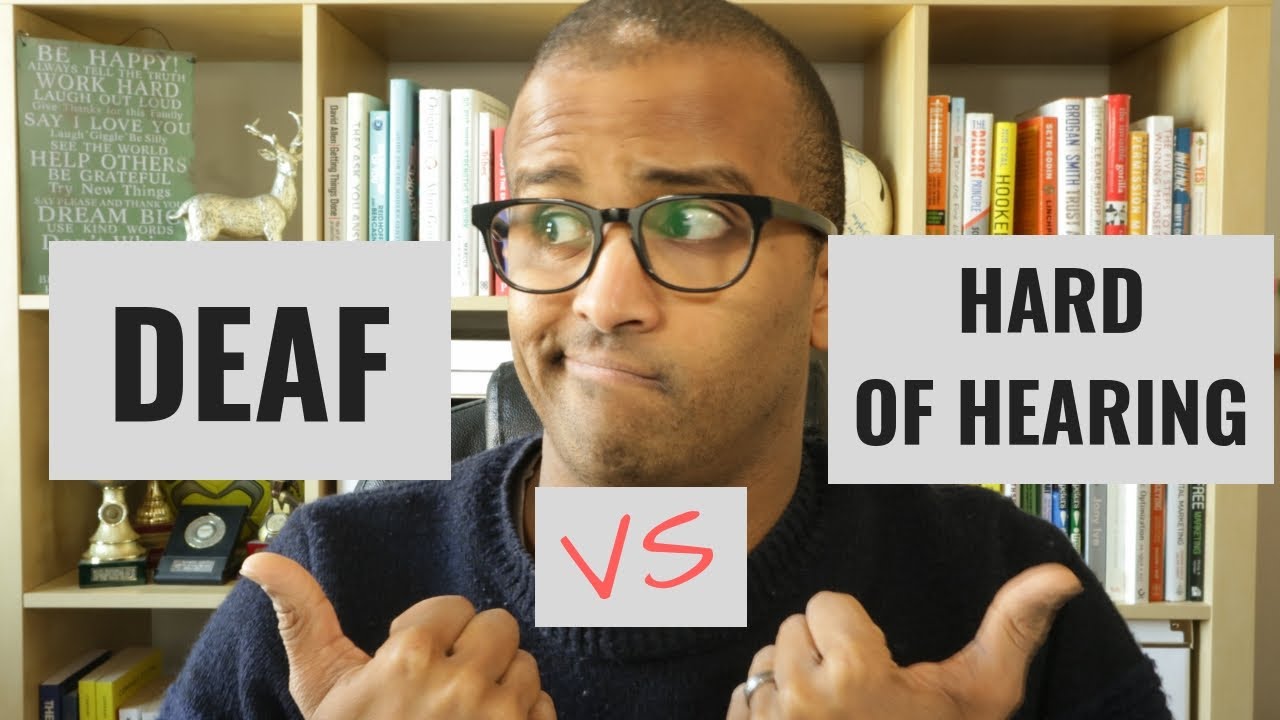
“Deaf” usually refers to a hearing loss so severe that there is very little or no functional hearing.
“Hard of hearing” refers to a hearing loss where there may be enough residual hearing that an auditory device, such as a hearing aid or FM system, provides adequate assistance to process speech.
“Deafened” usually refers to a person who becomes deaf as an adult and, therefore, faces different challenges from those of a person who became deaf at birth or as a child.
Deaf, deafened and hard of hearing individuals can either read lips or use sign language, sign language interpreters, and/or captioning.
People who are deaf or hard of hearing may have speech that is difficult to understand due to the inability to hear their own voice.